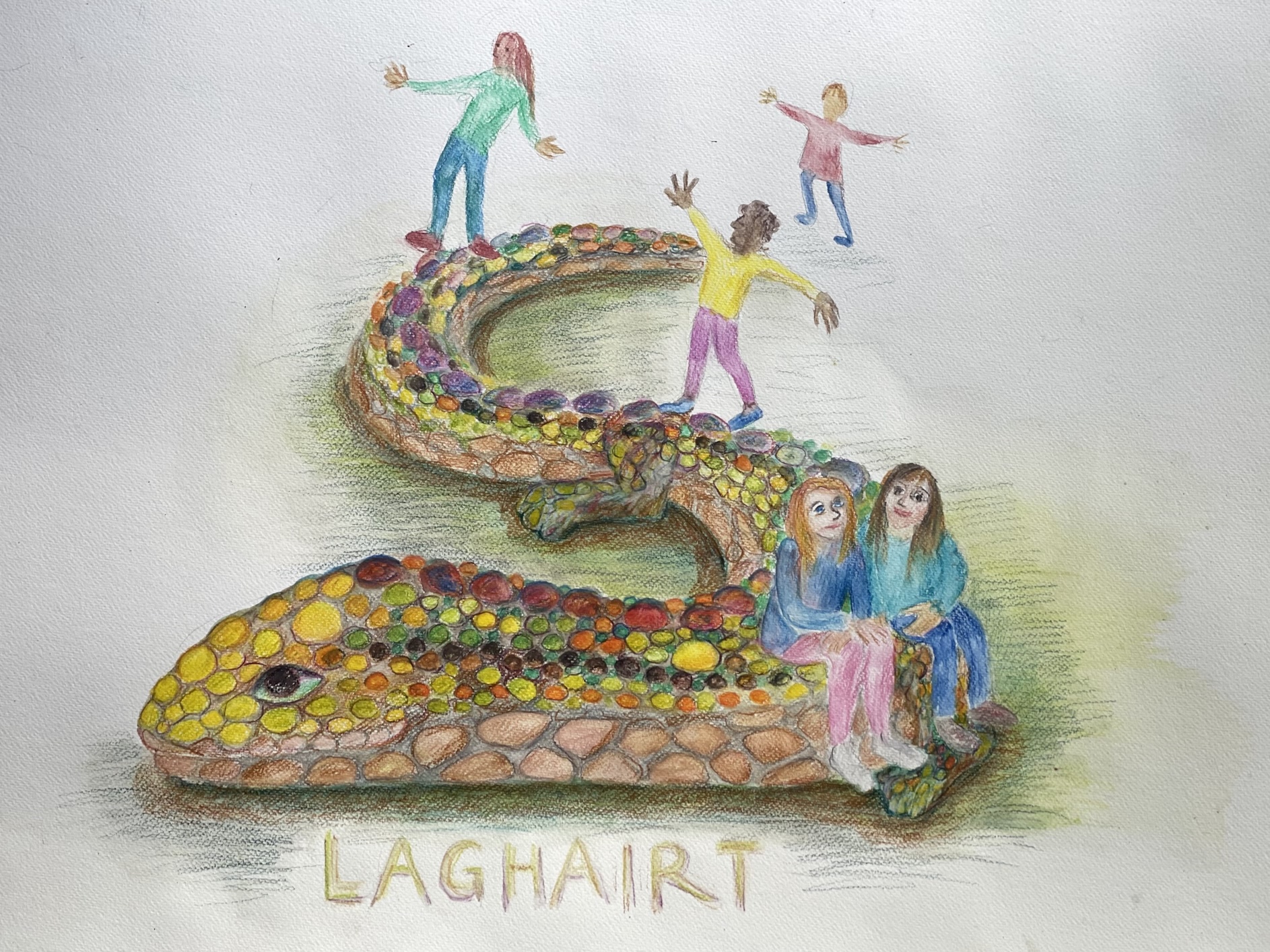
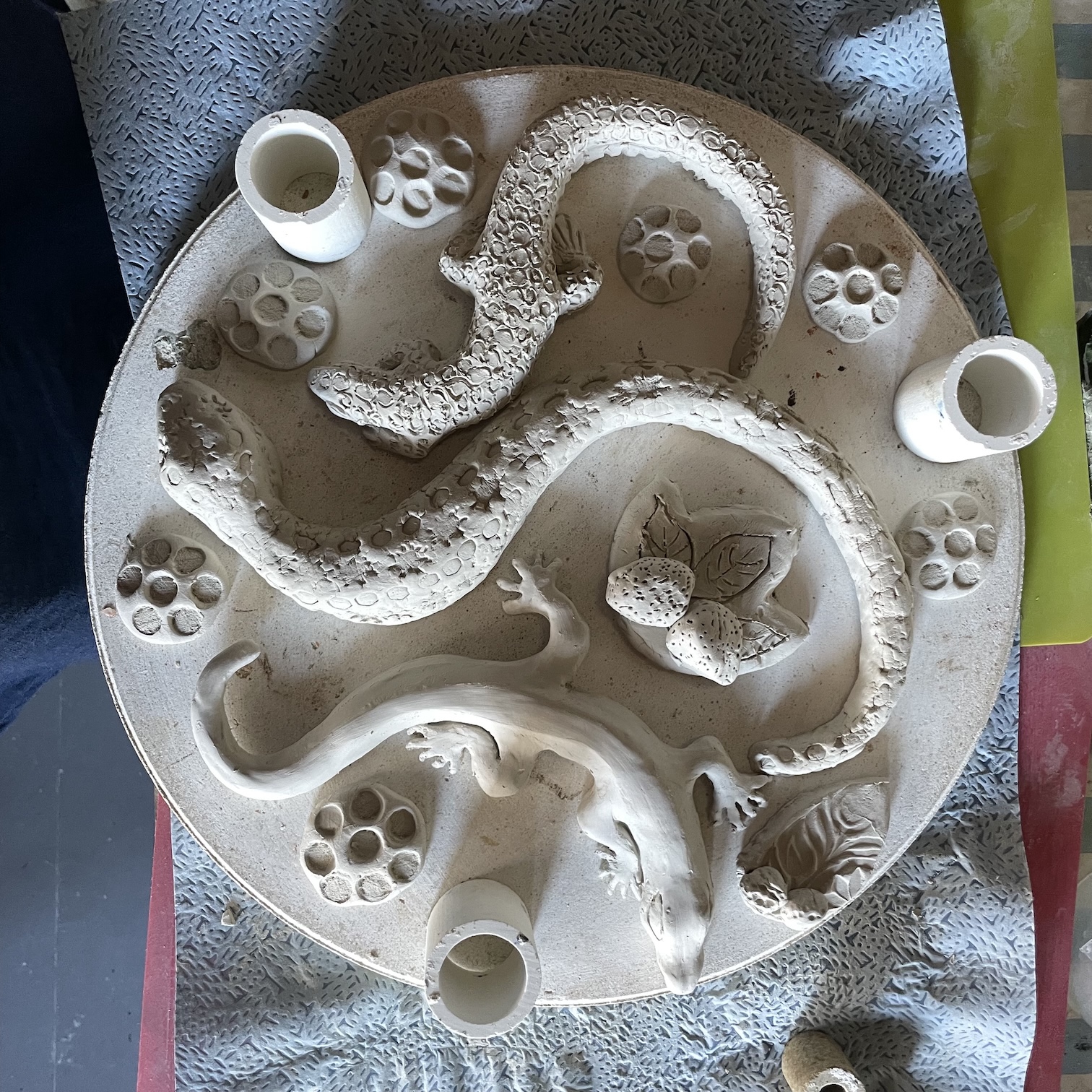
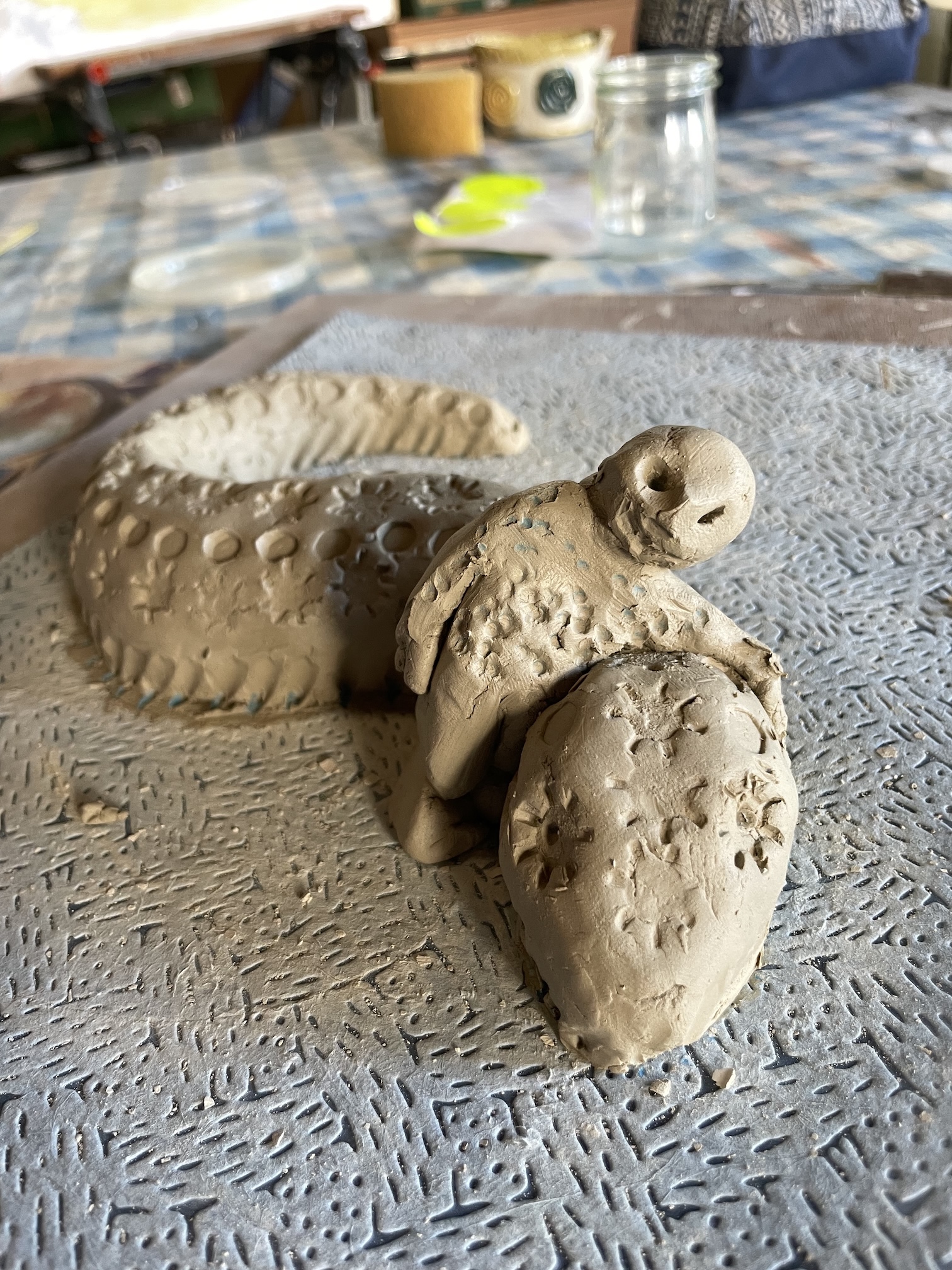
ROAM launches Thursday 29 May

ROAM for me has been about belonging, the pandemic offered a place to honour and own and be owned by place. During this time of separation we sought out spaces for solace and joy, where we could safely share moments people and place in the open city in a time of upheaval. One of the outcomes of the “lock down” meant that some of us were gifted with more time to build a special relationship with the place on our doorstep.
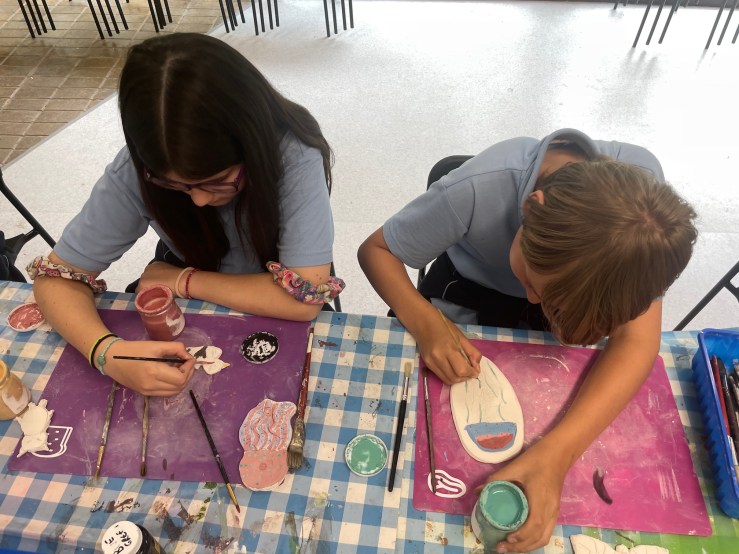
The work we have been doing in St Patricks spirals into this time, beginning on 13 March 2020 and leading till now.For these young women 2025 marks the end of a cycle and transition from primary to secondary education. As we leave things behind we find other things, we find ways to acknowledge grief and loss in the passage of time and recognise the resilience that has brought us through.
Together we mapped the places in our locality that are dear to our hearts, the places we go for food, for play, to be alone and to be with friends. We remembered how we were when were were 8, 9, 10, 11 and 12 and the milestones that happened during that time. As an older adult, working with young people, there has been a personal reaching into the past both back to the pandemic years but also to when I was 8, 9,10,11,12. The intergenerational aspect of ROAM is one that holds a deep fascination for me.
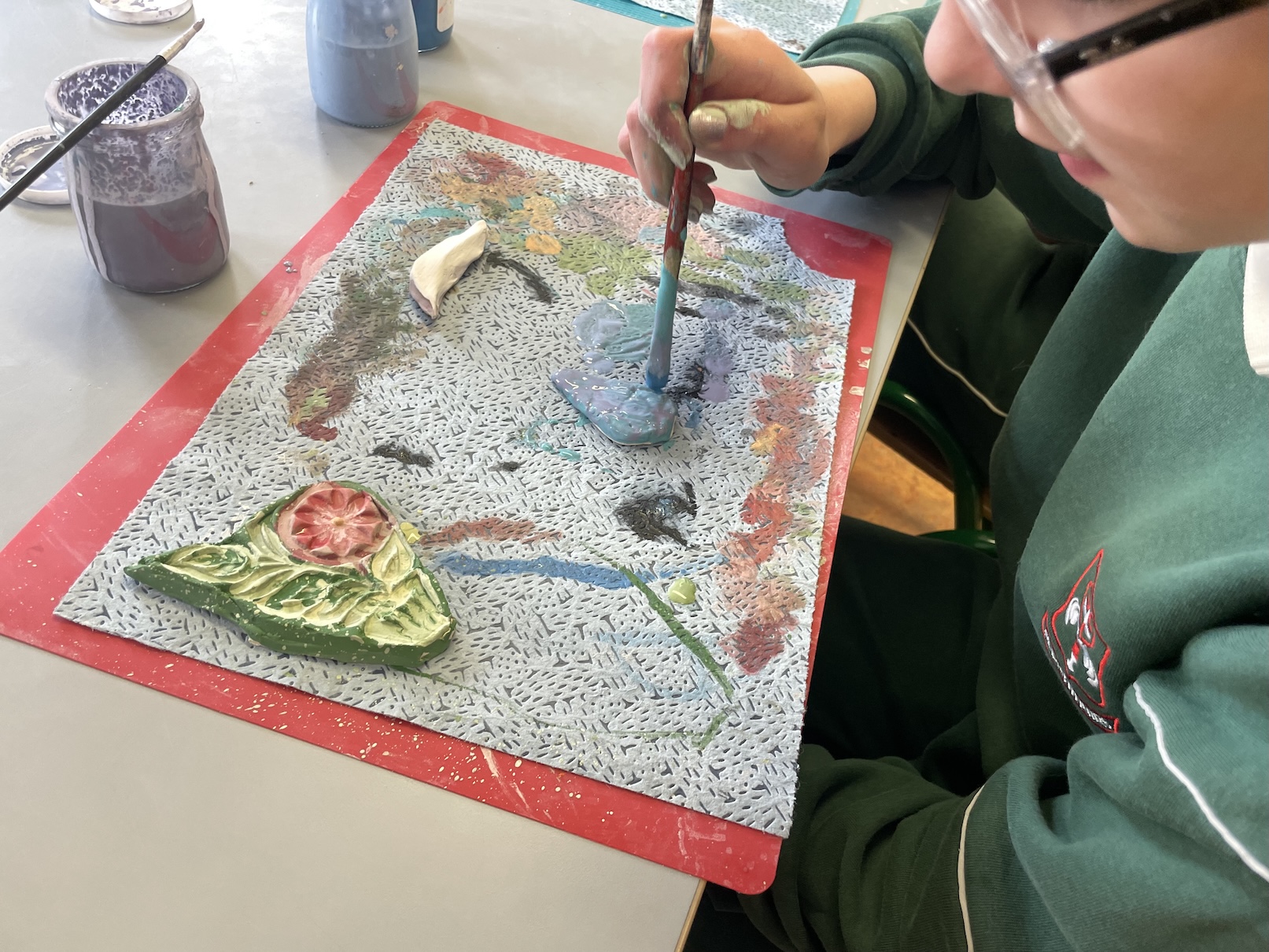
So trying to inhabit the space I brought some botanical inks foraged from materials in the locality during the pandemic, we used blackberry and oak, alder and pine inks and made messy, splashy, and controlled maps about time, using modifiers to alter the colour and watch changes. We sometimes shared stories and sometimes had time just for ourselves, to be in the process, the creativity of gesture and material unfolding before us and the responses without and within. We each gathered our weekly pages into a book. The splashy time maps are still changing colour as the inks fade or oxidise in contact with the air.
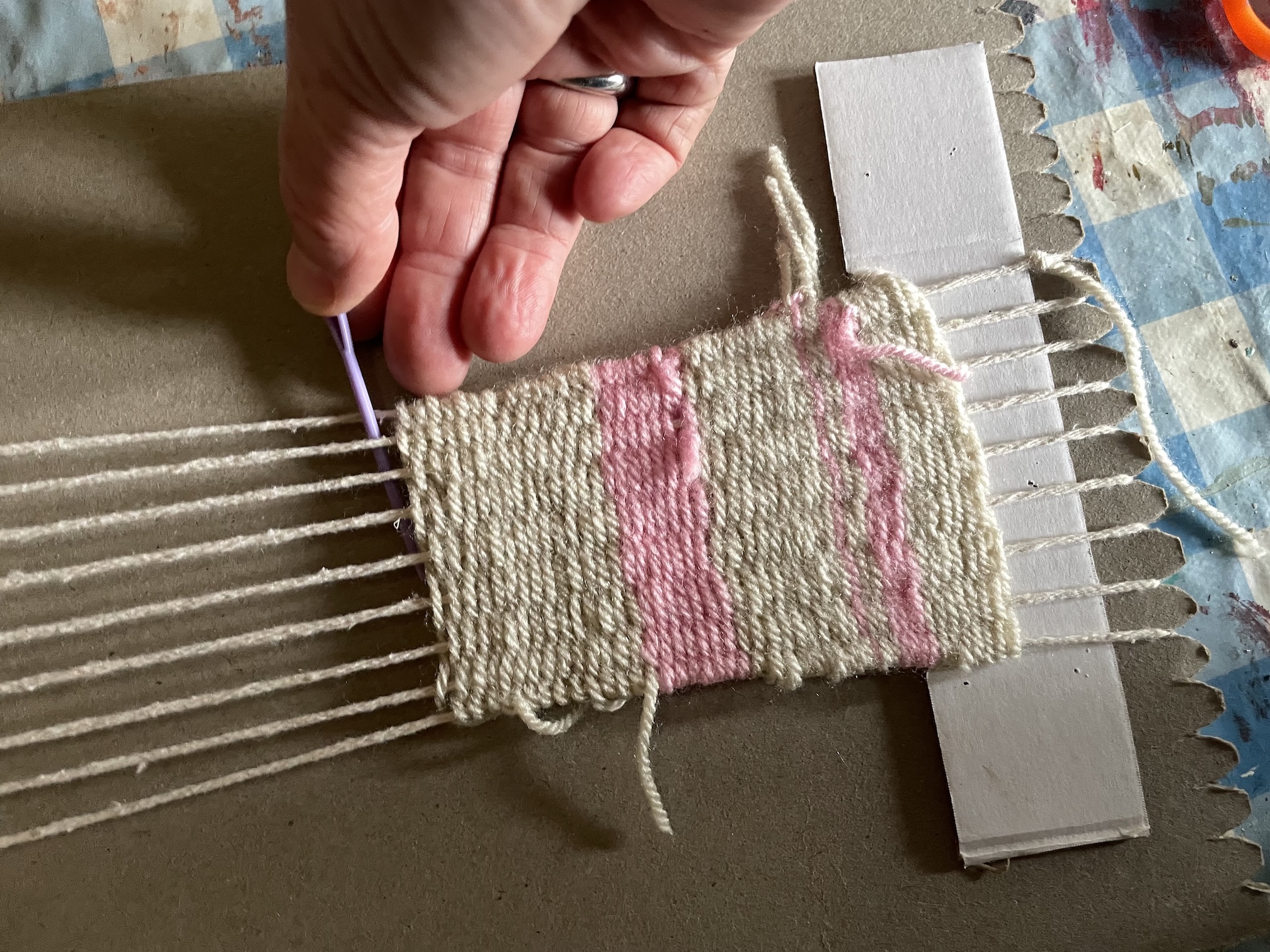
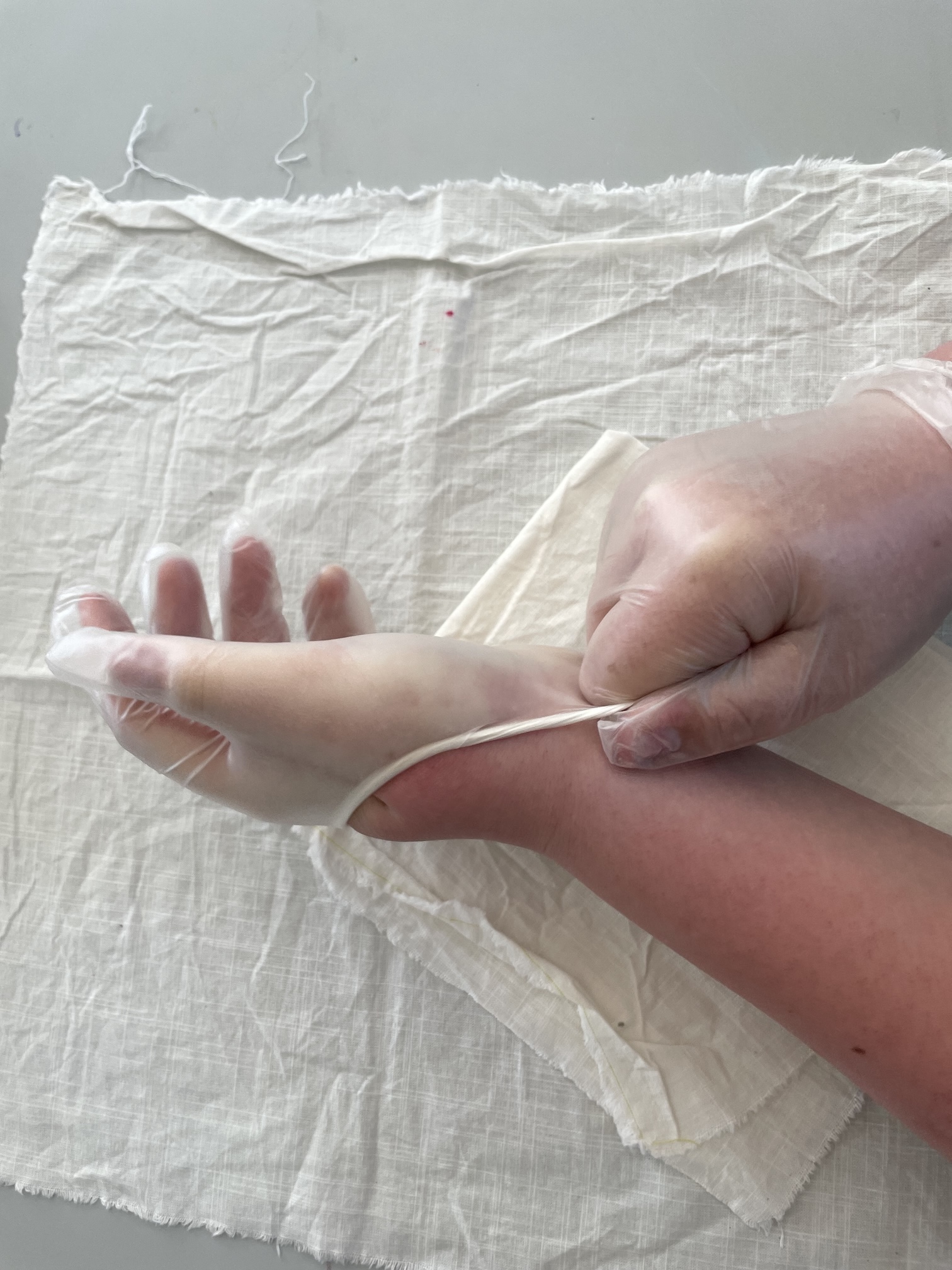
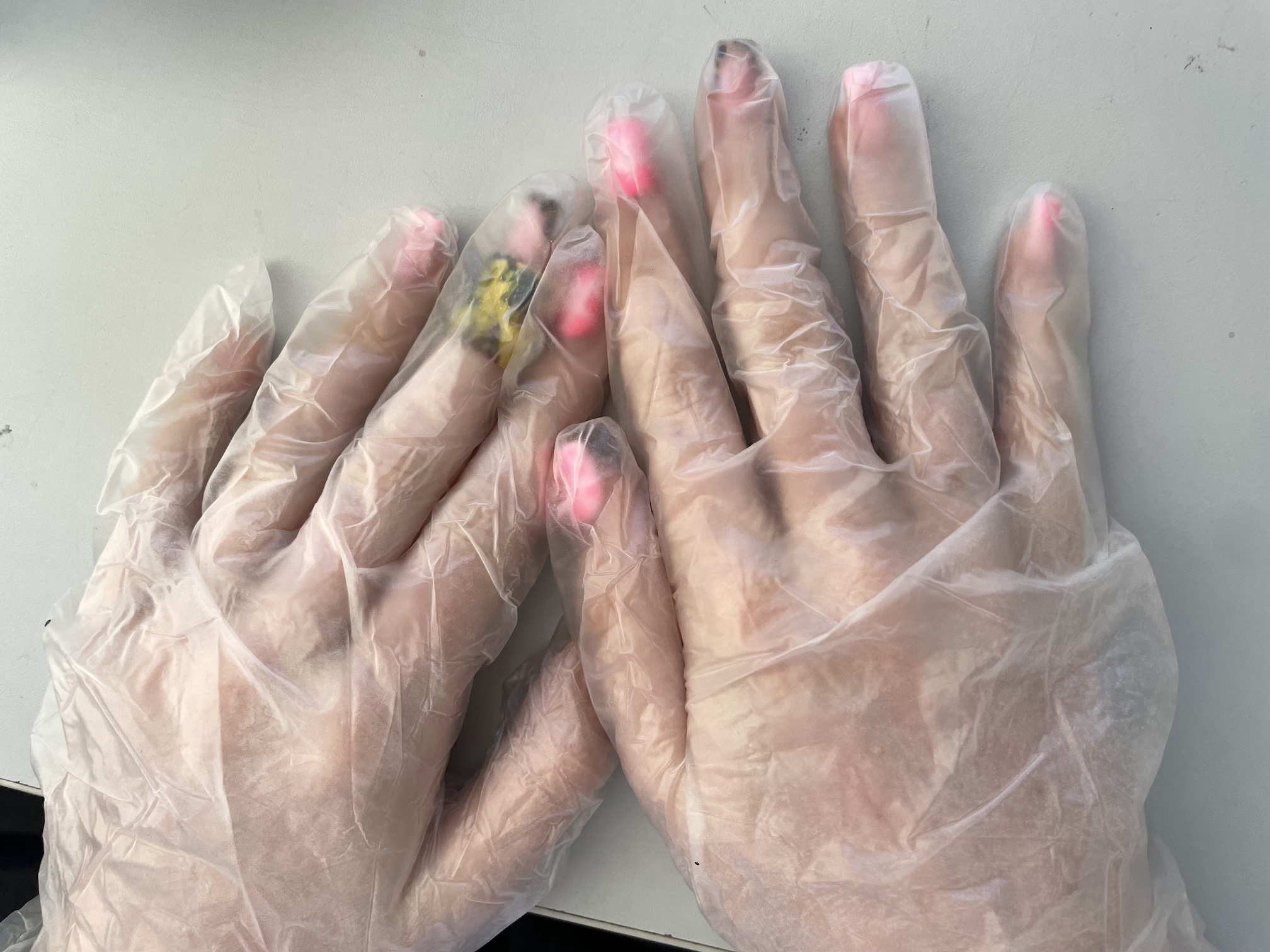
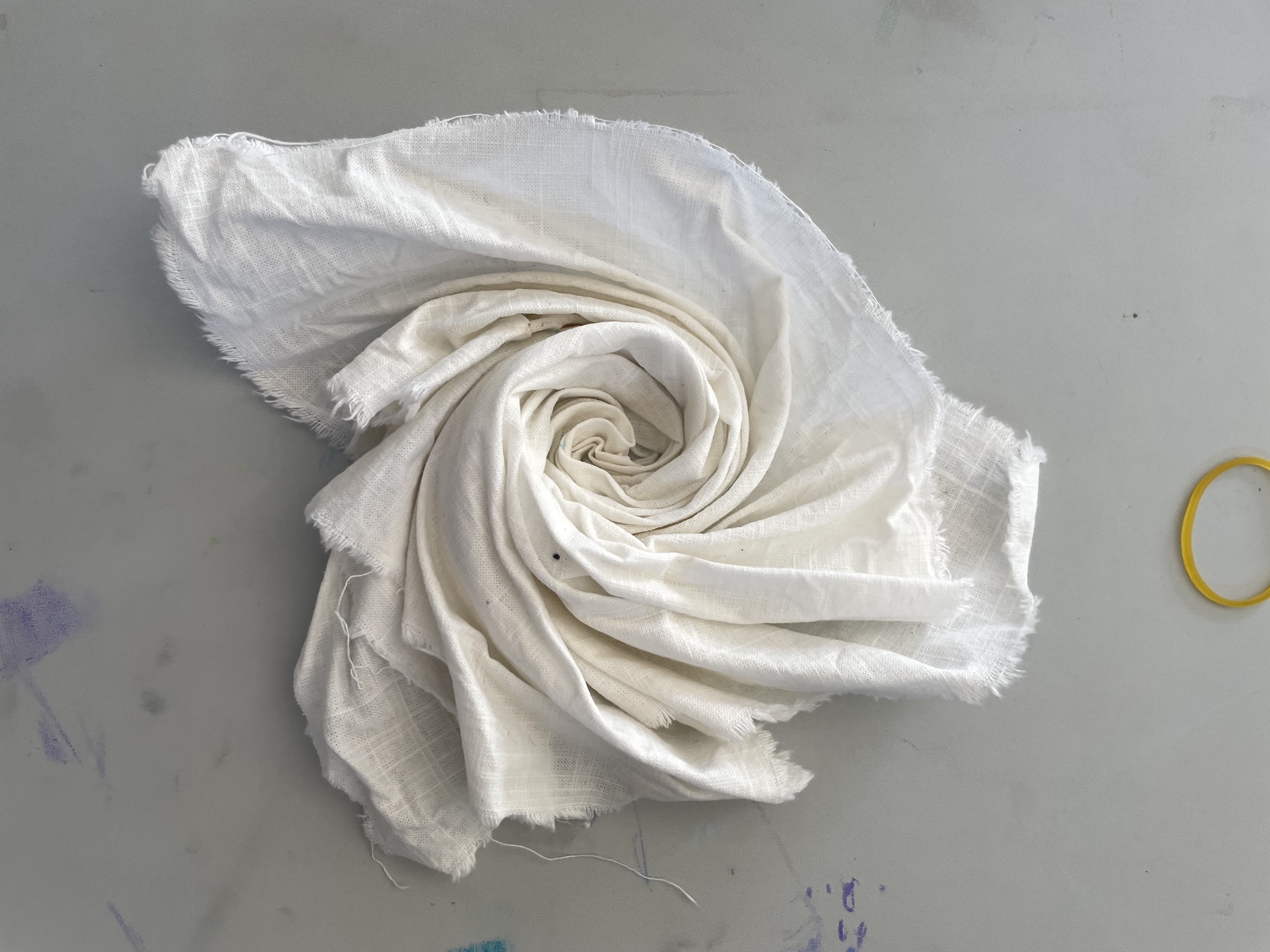
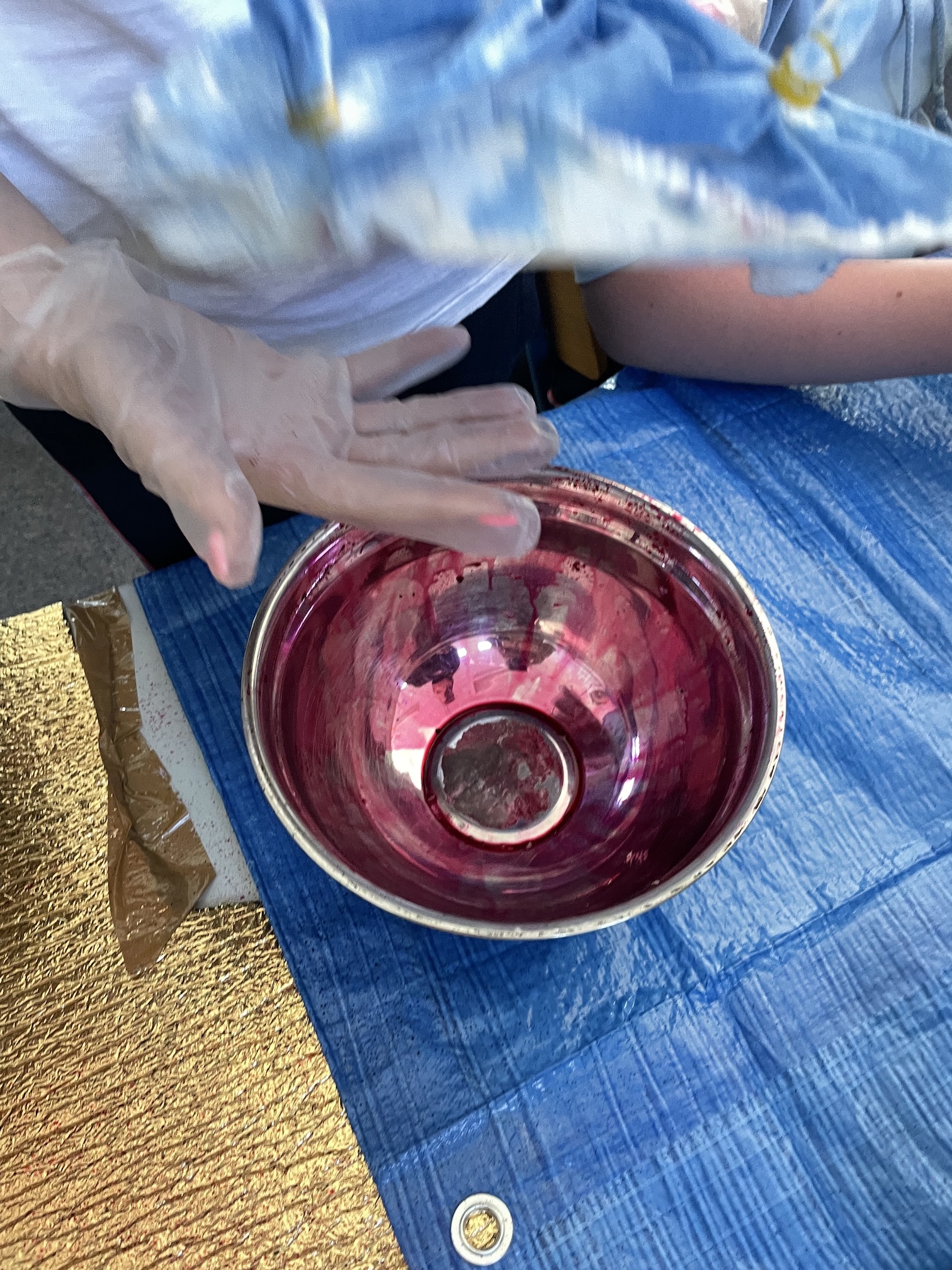
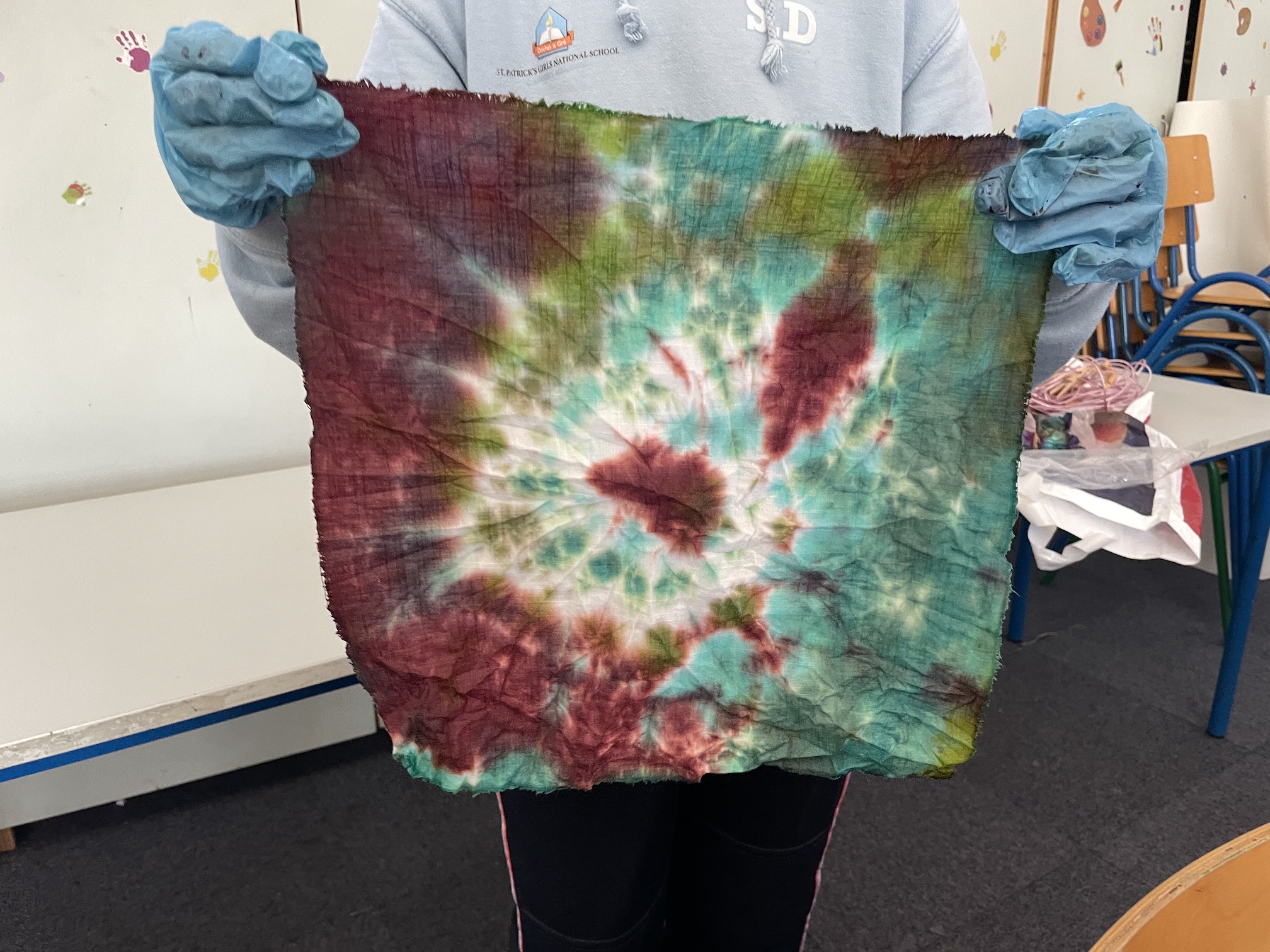
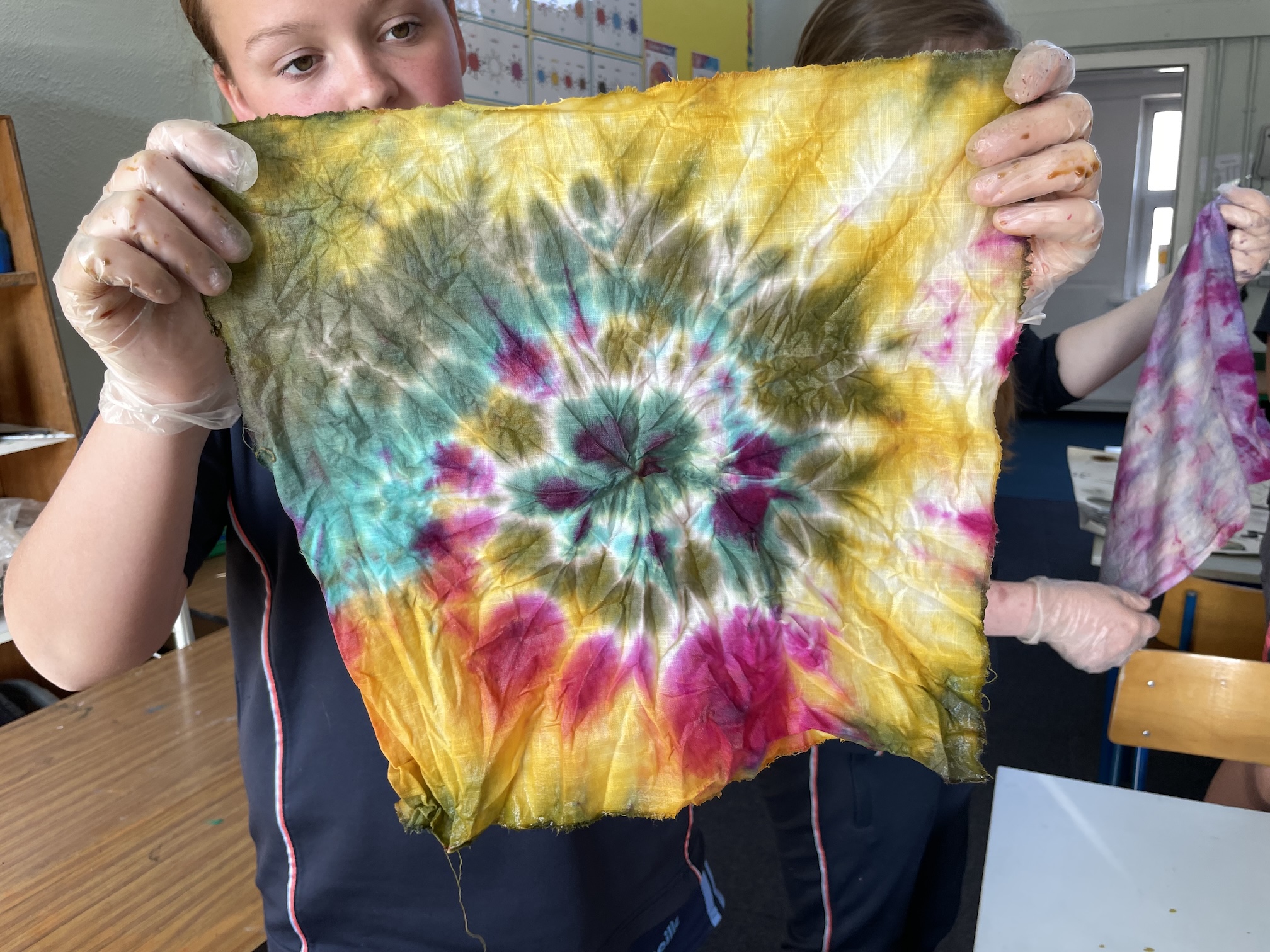
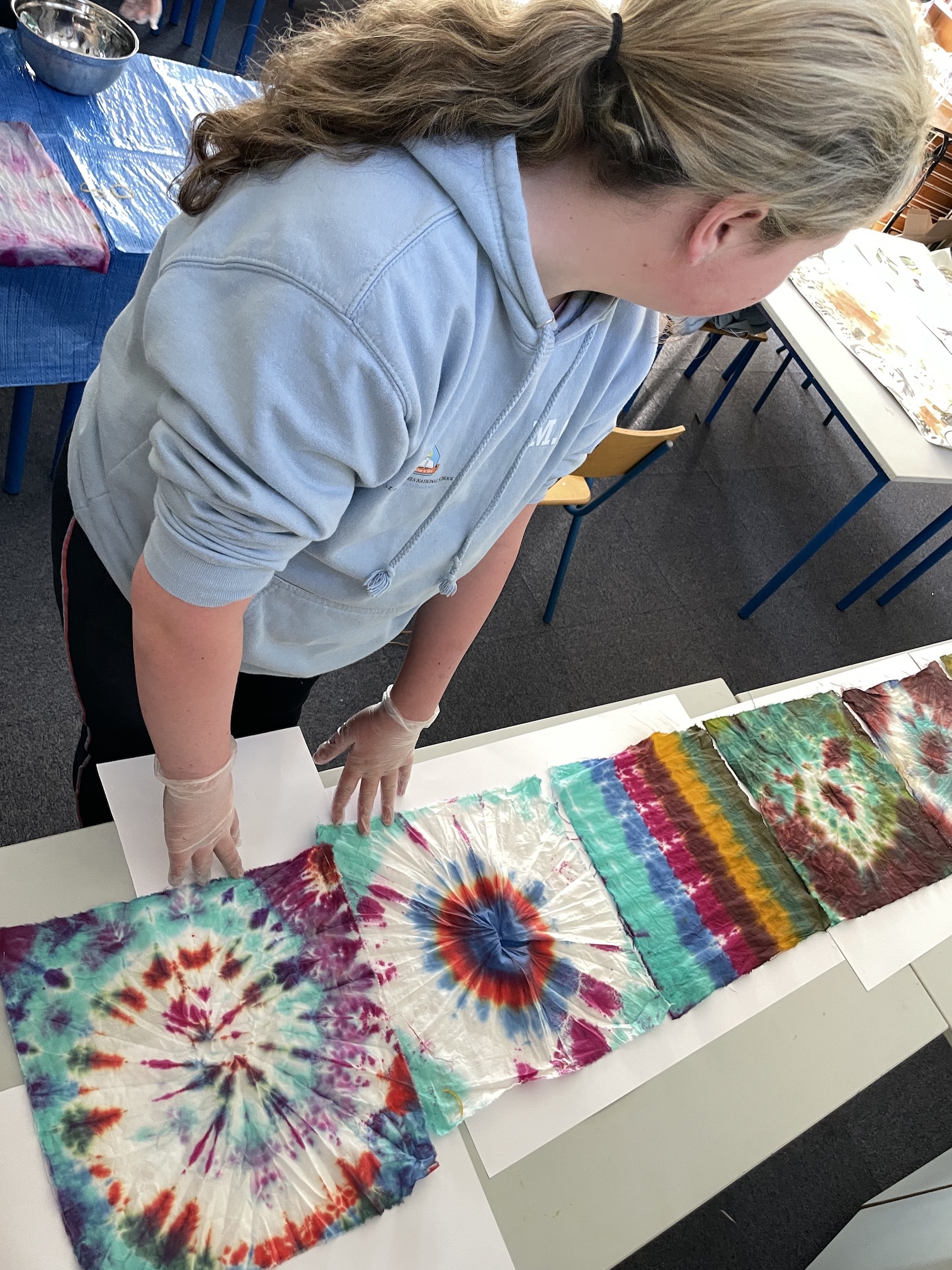
We made tie dye samples binding cloth with bands and spraying these bundles with colour, we used gloves to protect our skin in a reiteration of the hand care of pandemic times. Some of our patterns even mirrored the familiar shape of the corona virus. We find that patterns repeat, spirals from our ancestors and circles in nature come through in many things that we do – when we create we connect. We make beautiful, messy, precise and surprising things.
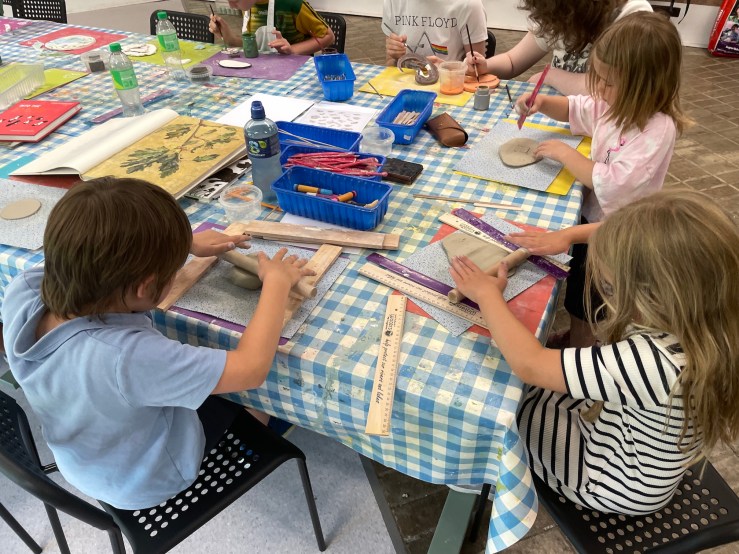
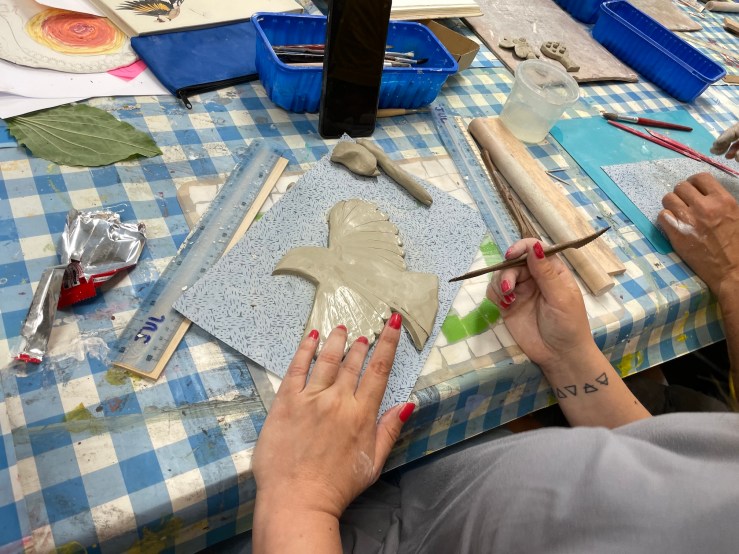
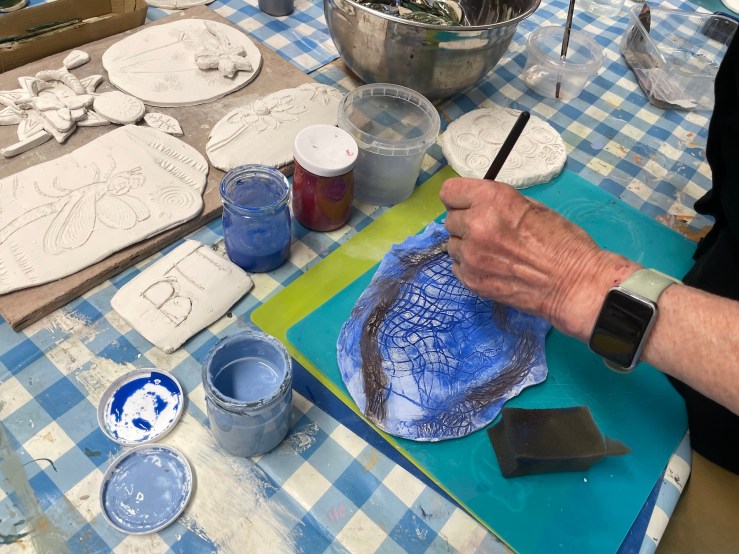
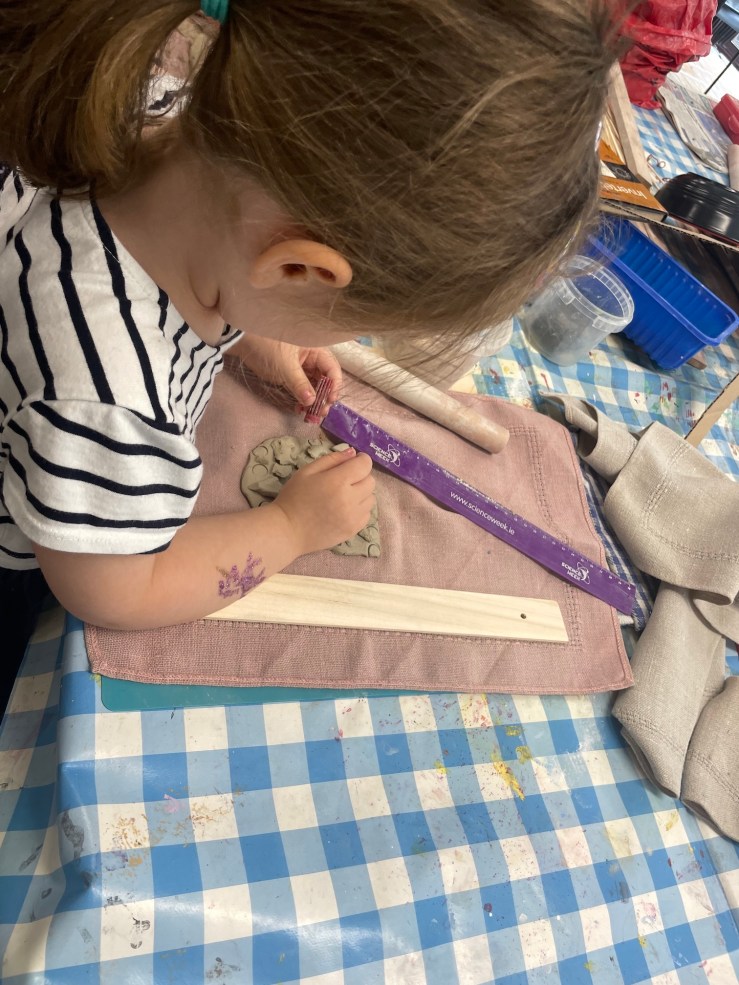
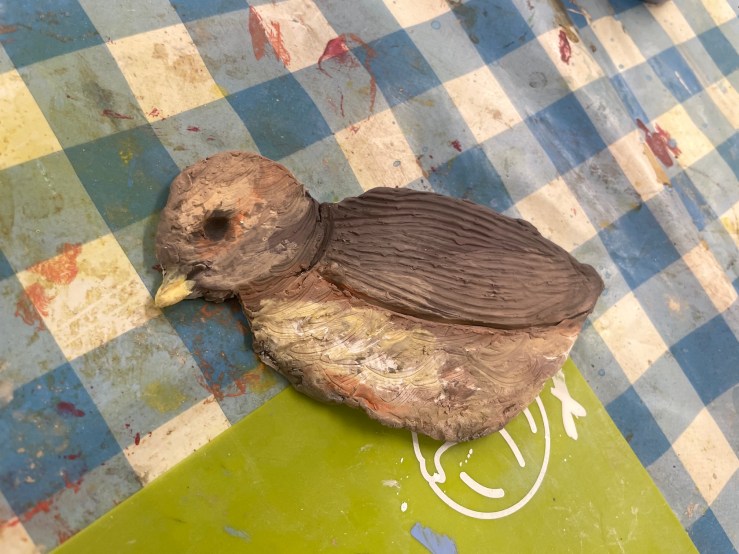
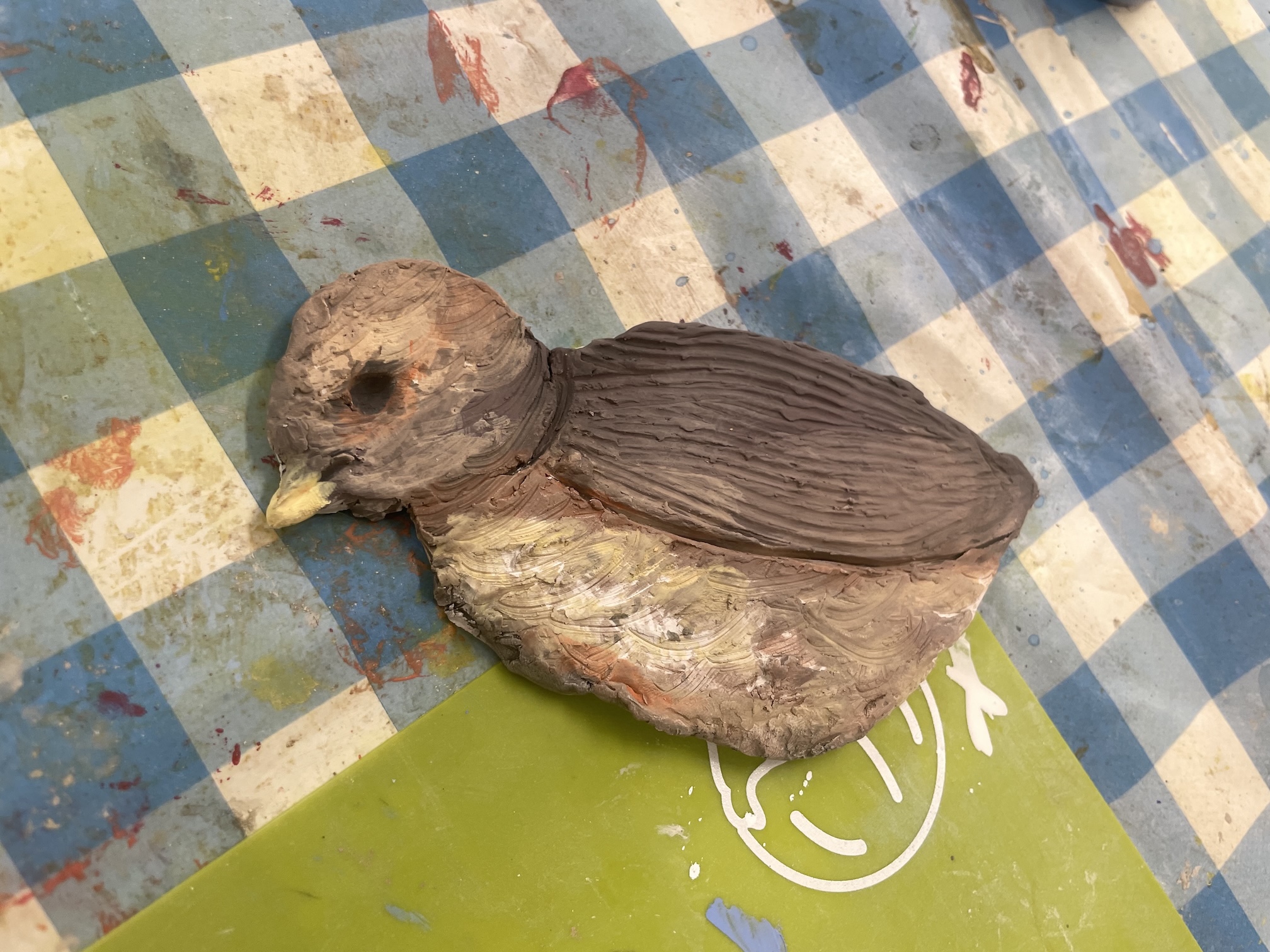
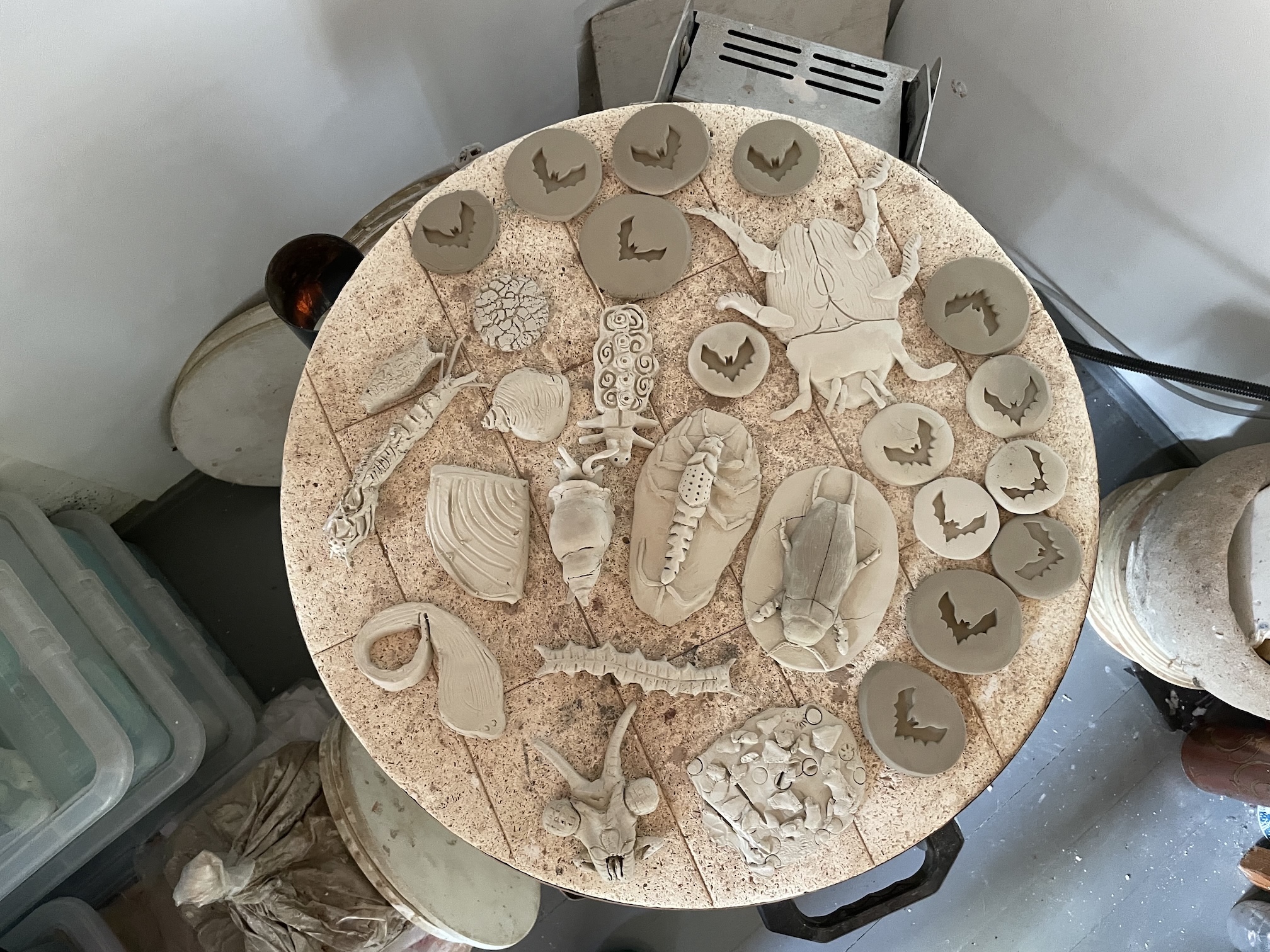
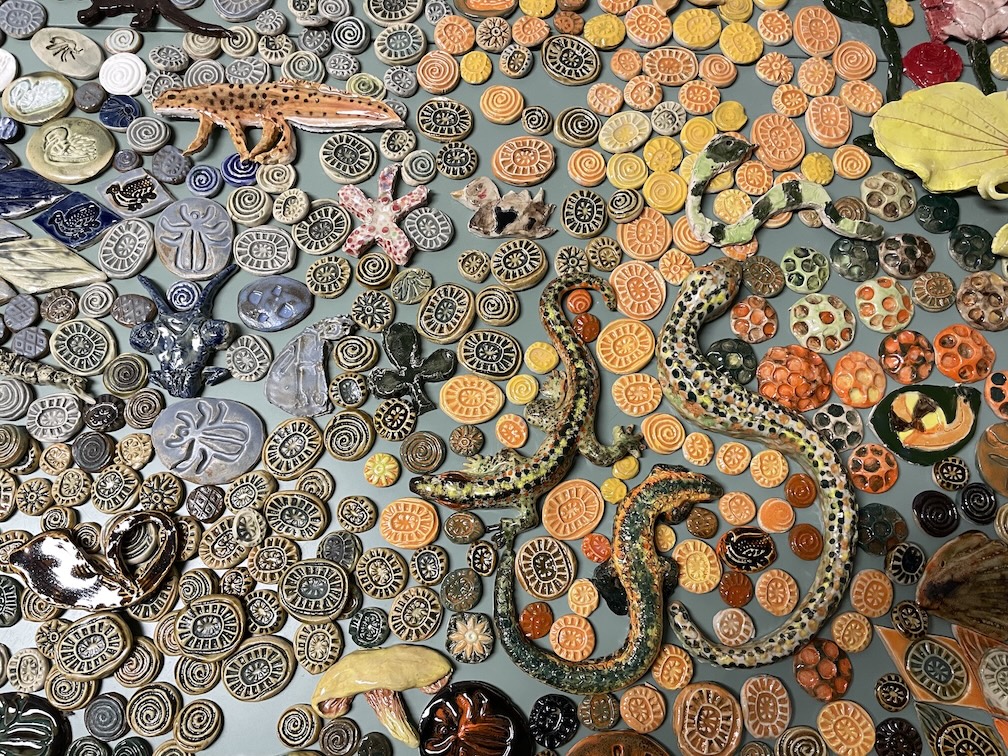
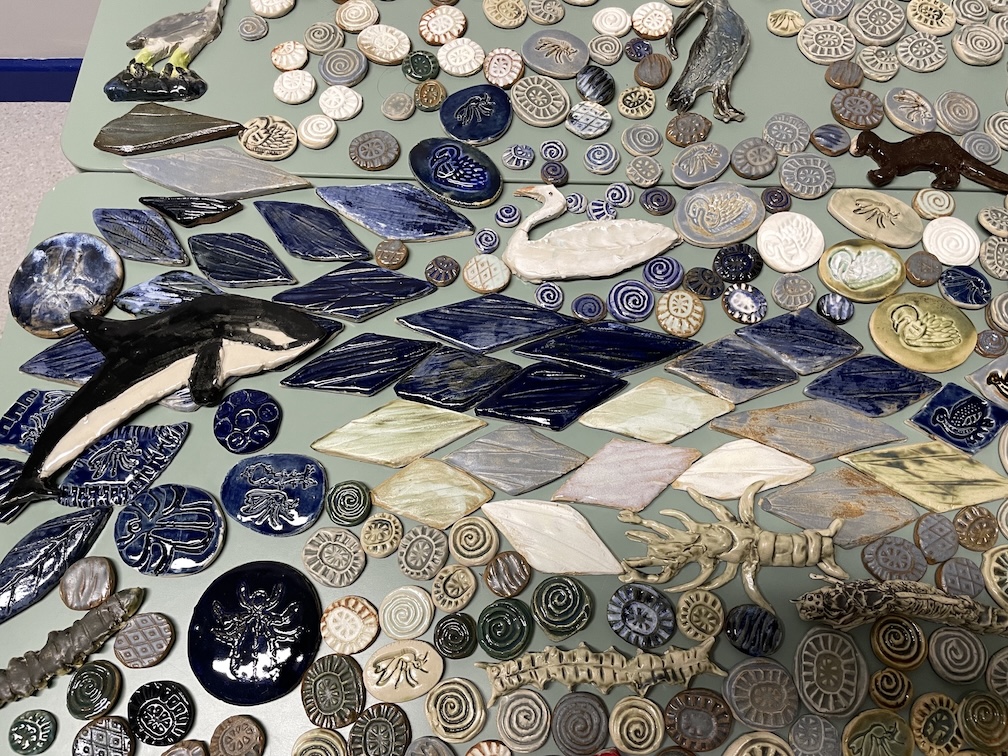
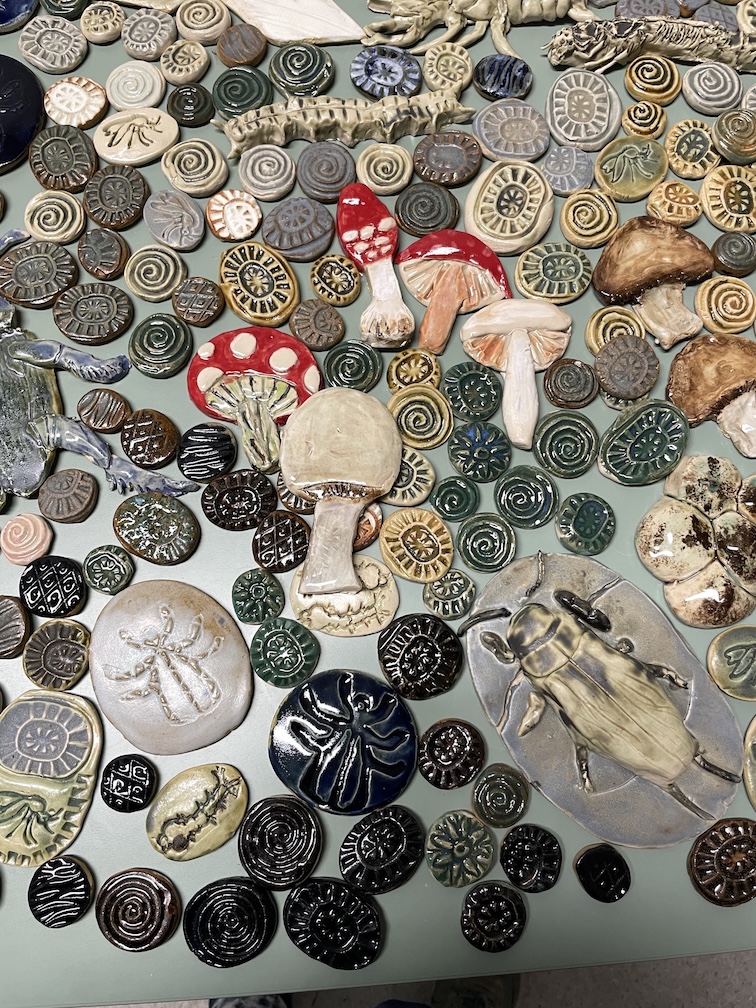
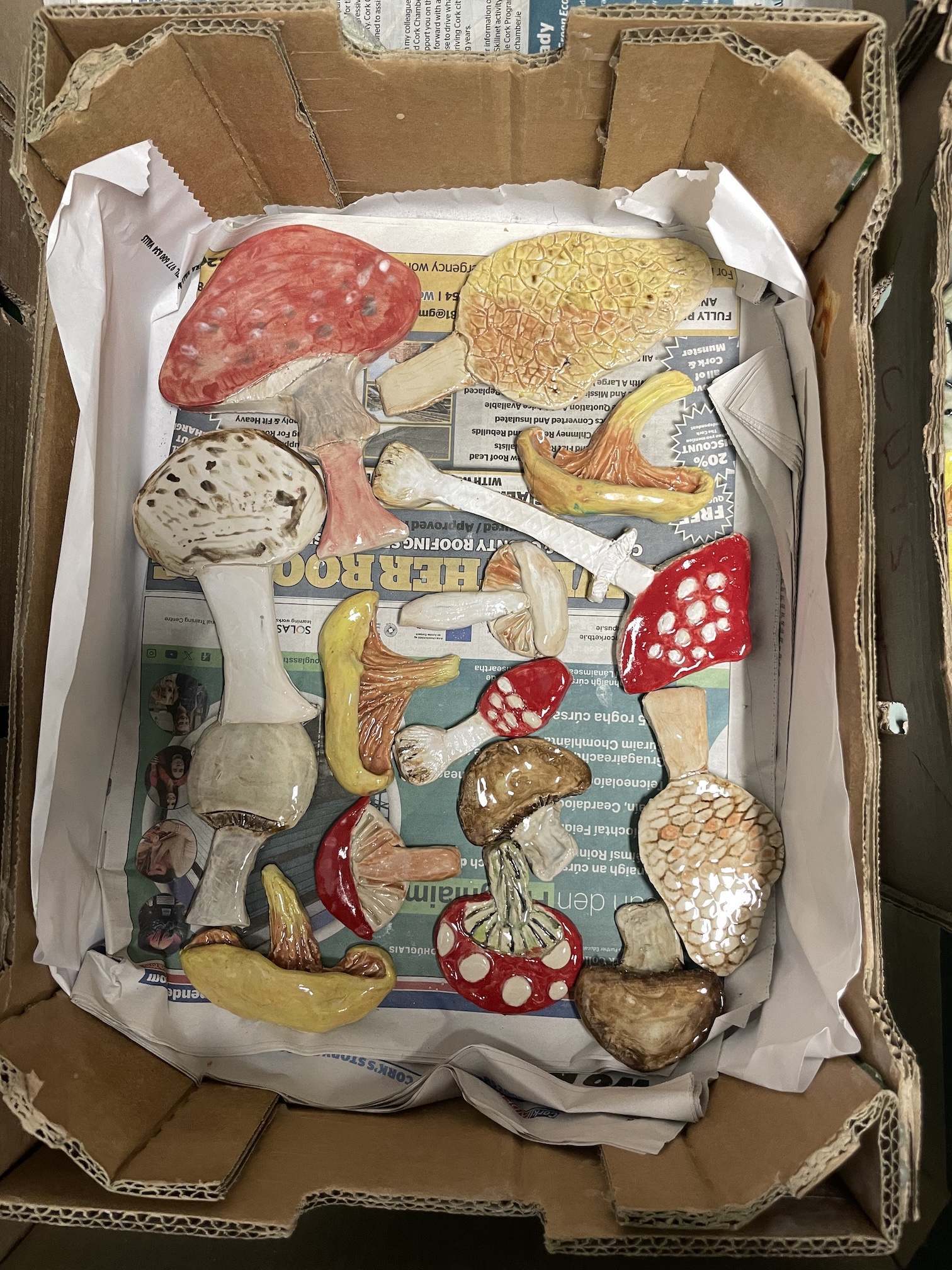
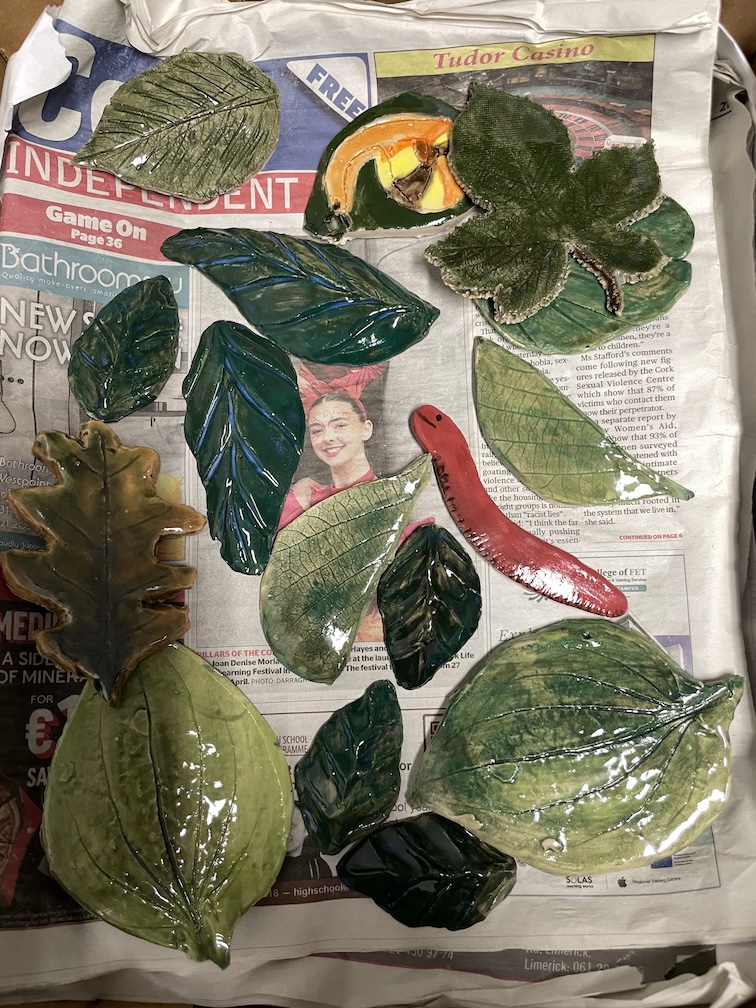
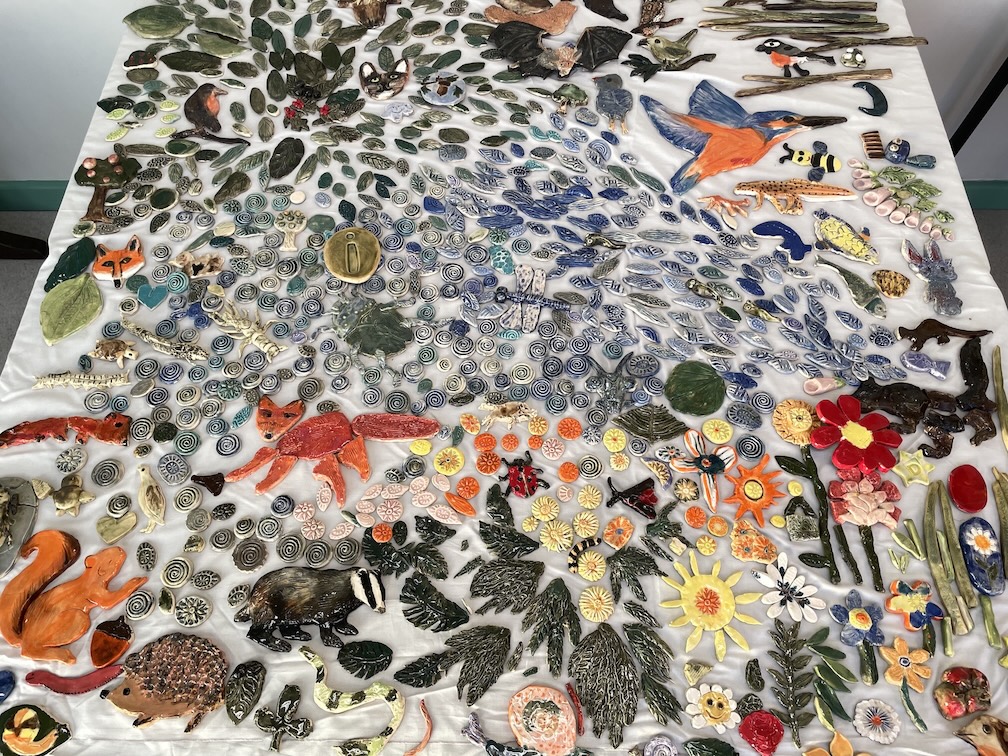
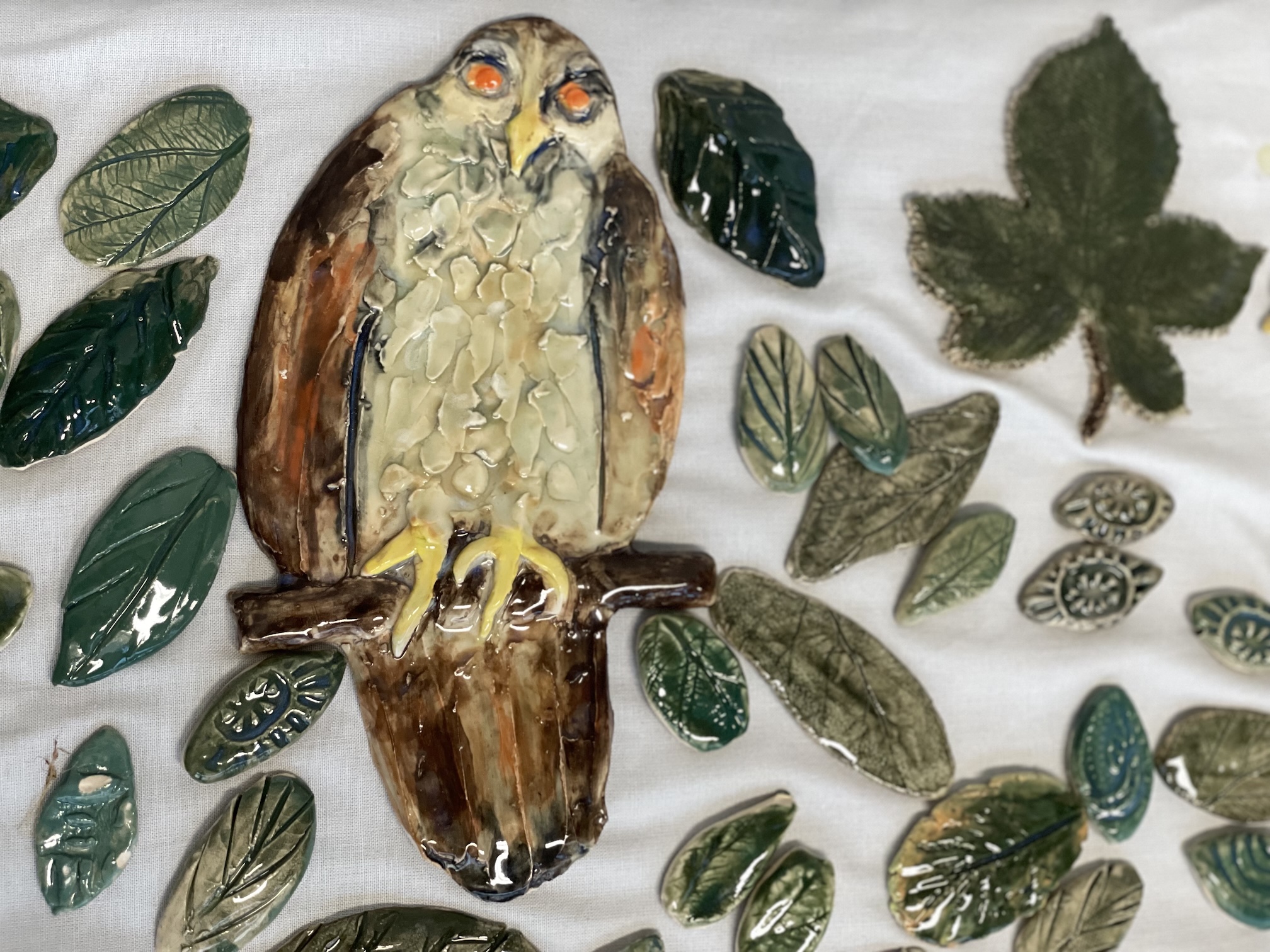
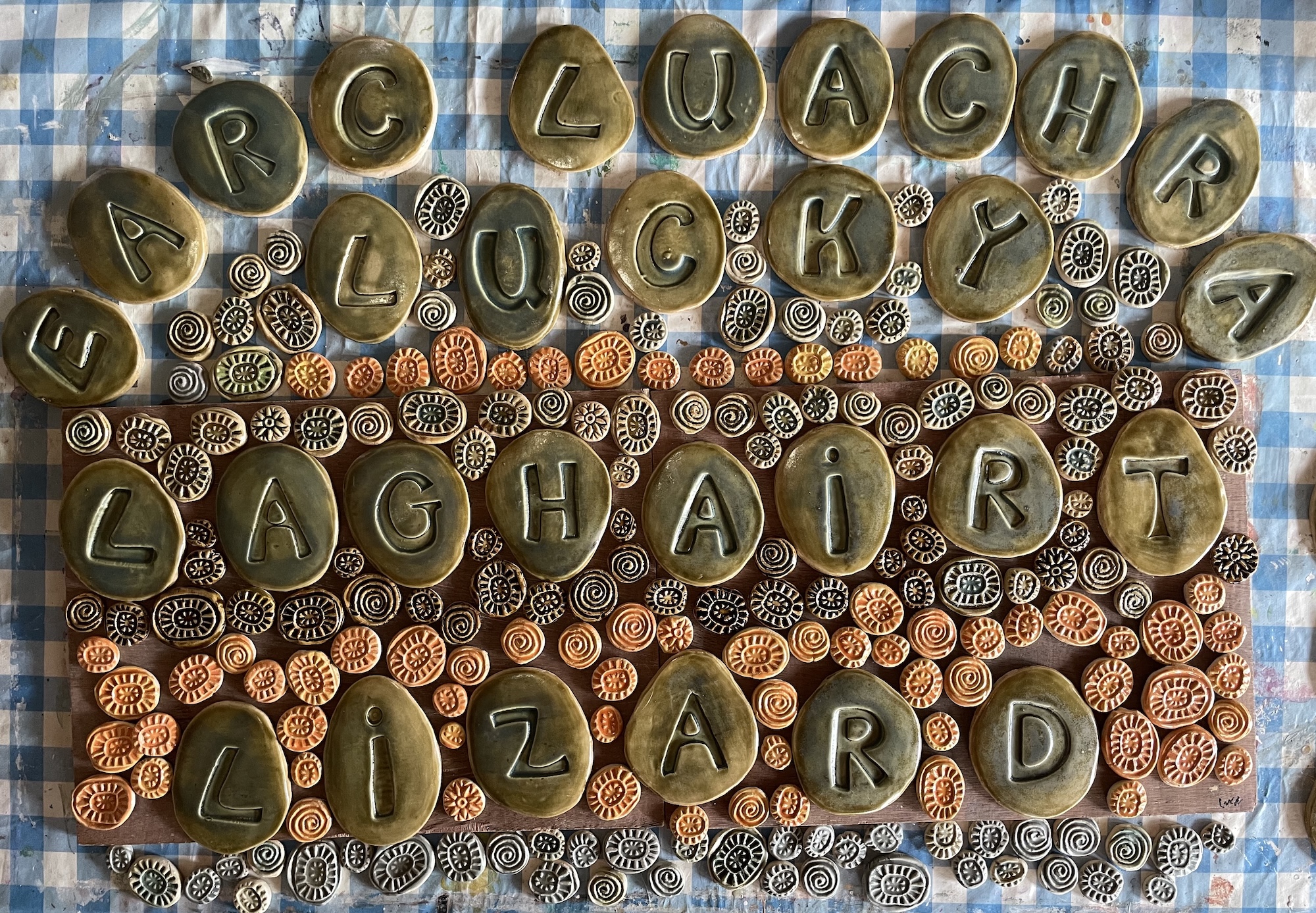
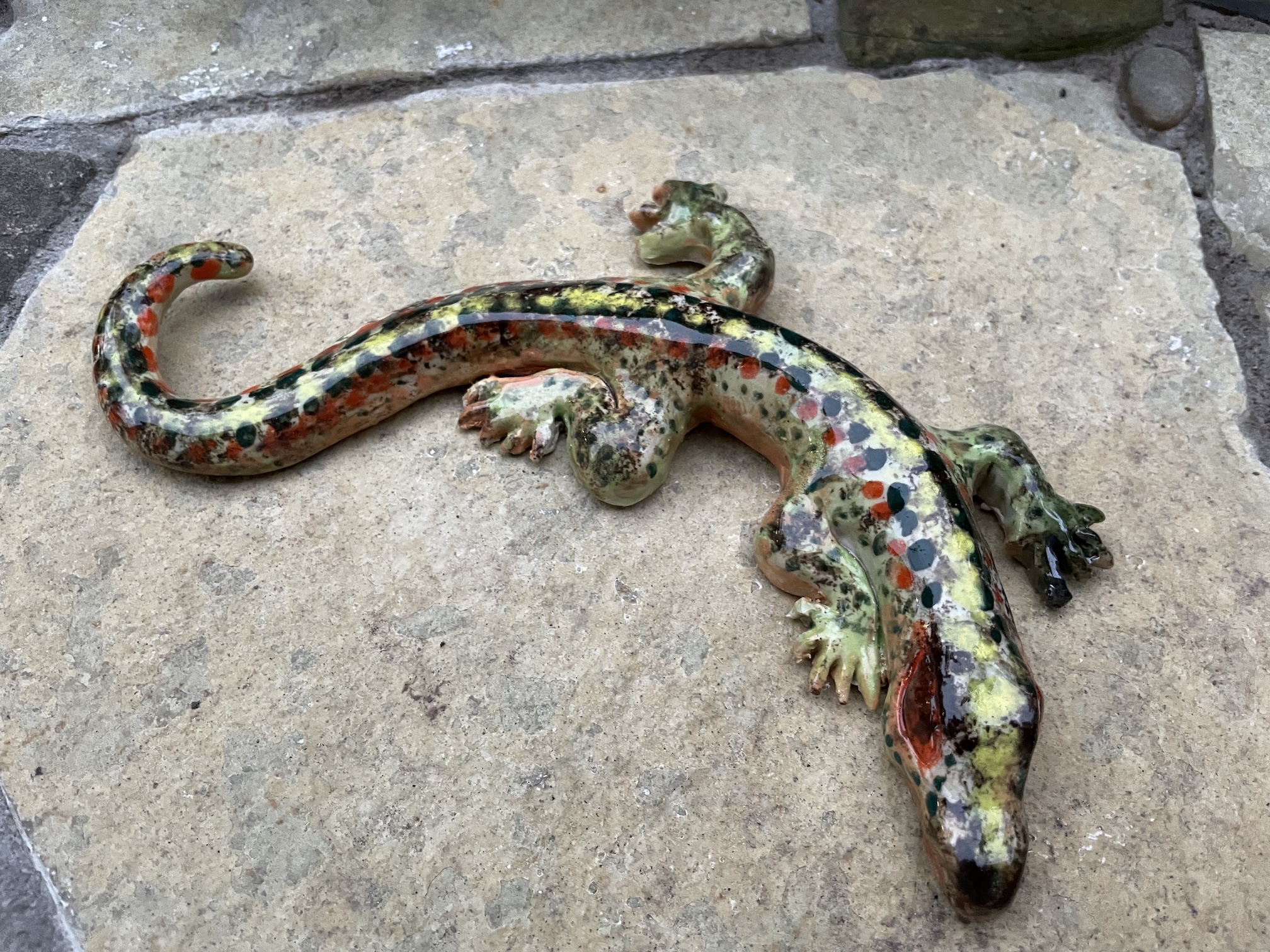
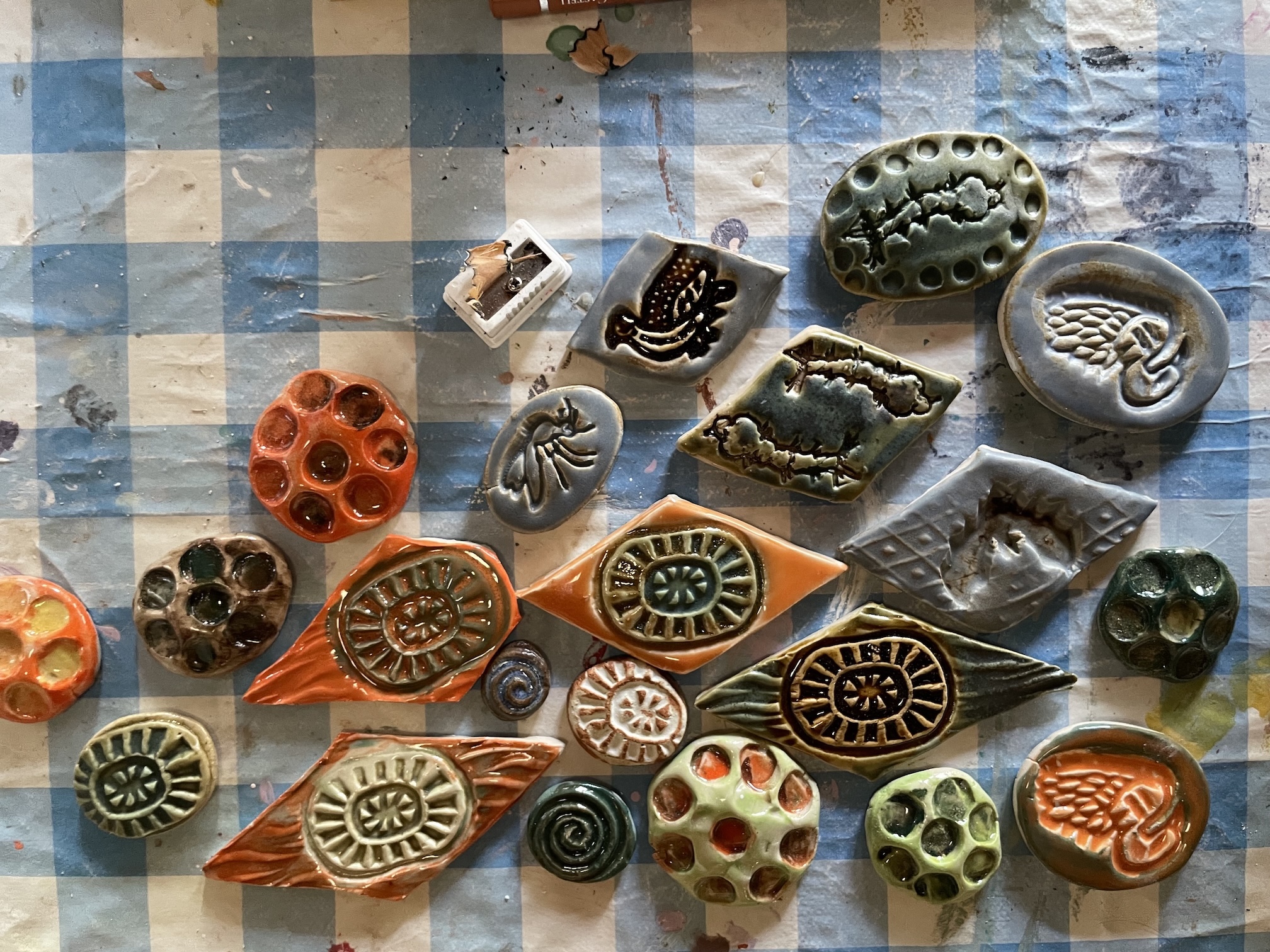
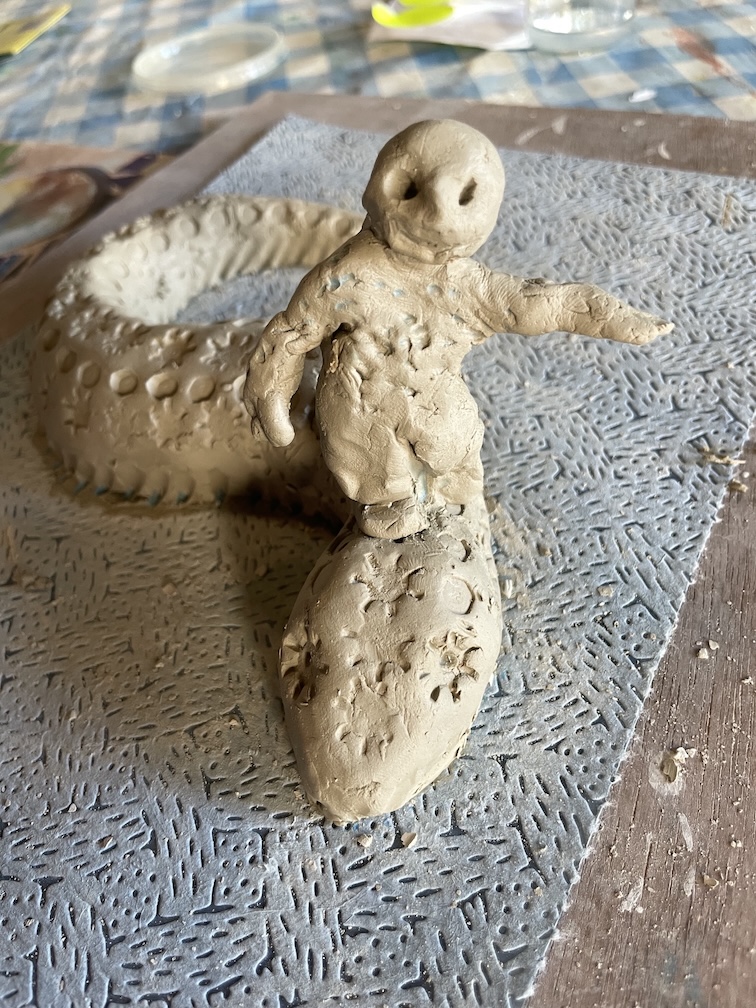
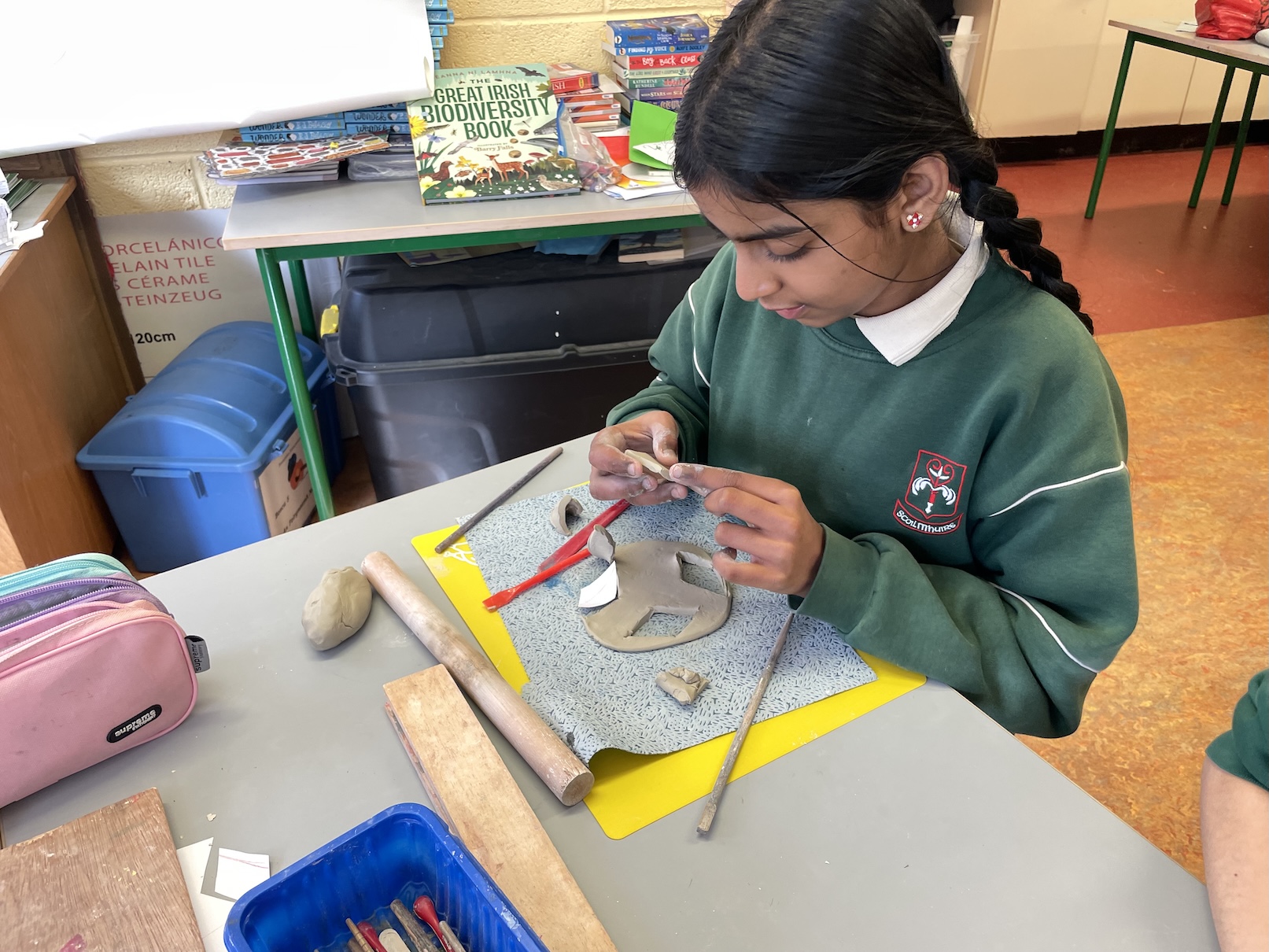
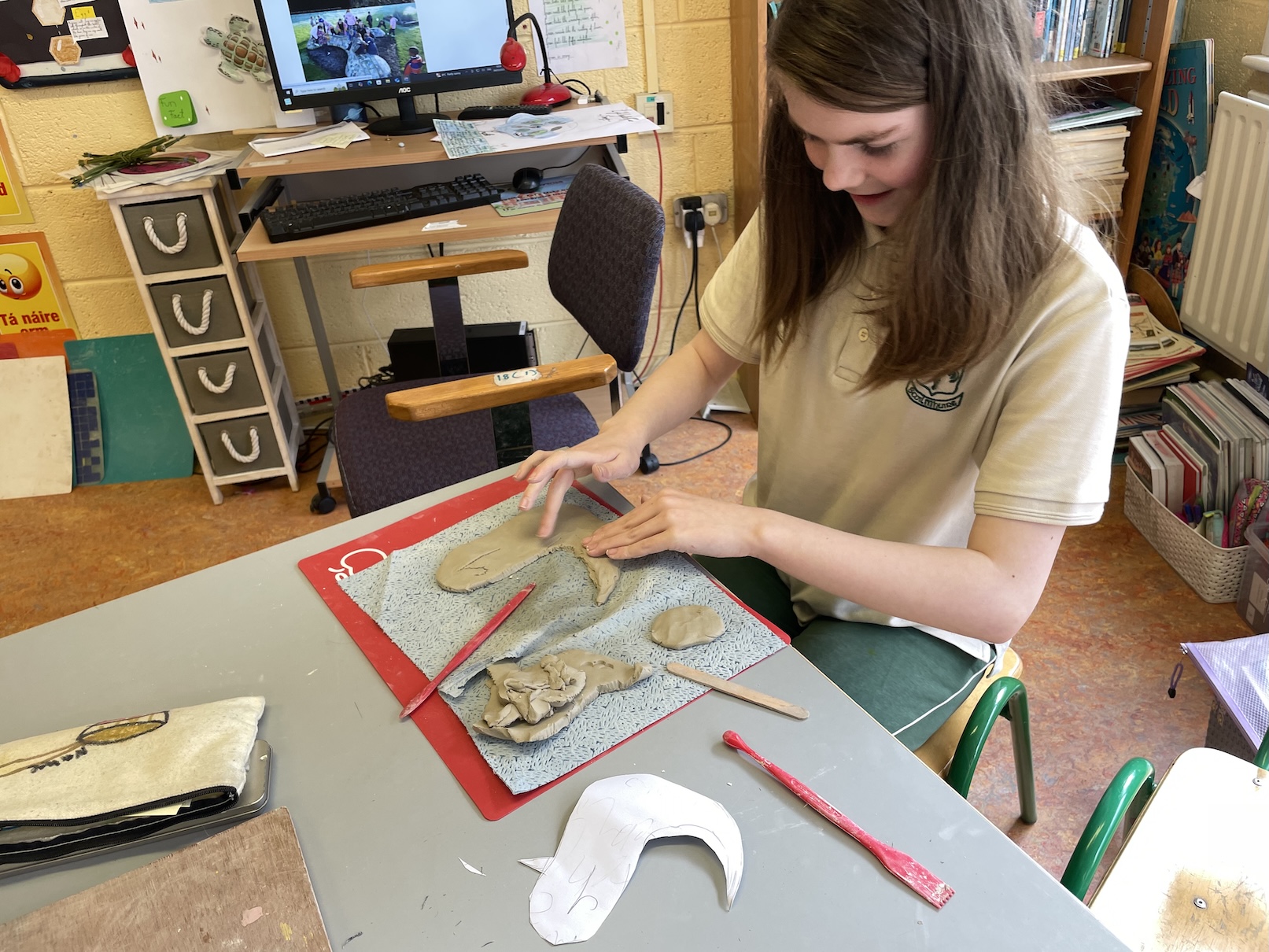
We made small charms from clay, gifts to ourselves and also to the community. Some of these appear on the wall of our local shop, just up from the school, in Gardiner’s Hill.

Julie Forrester, artist with the girls in Ms O’Connell’s 6th Class, St Patricks GNS, Gardiner’s Hill

ROAM website

Blackwater in Bealtaine

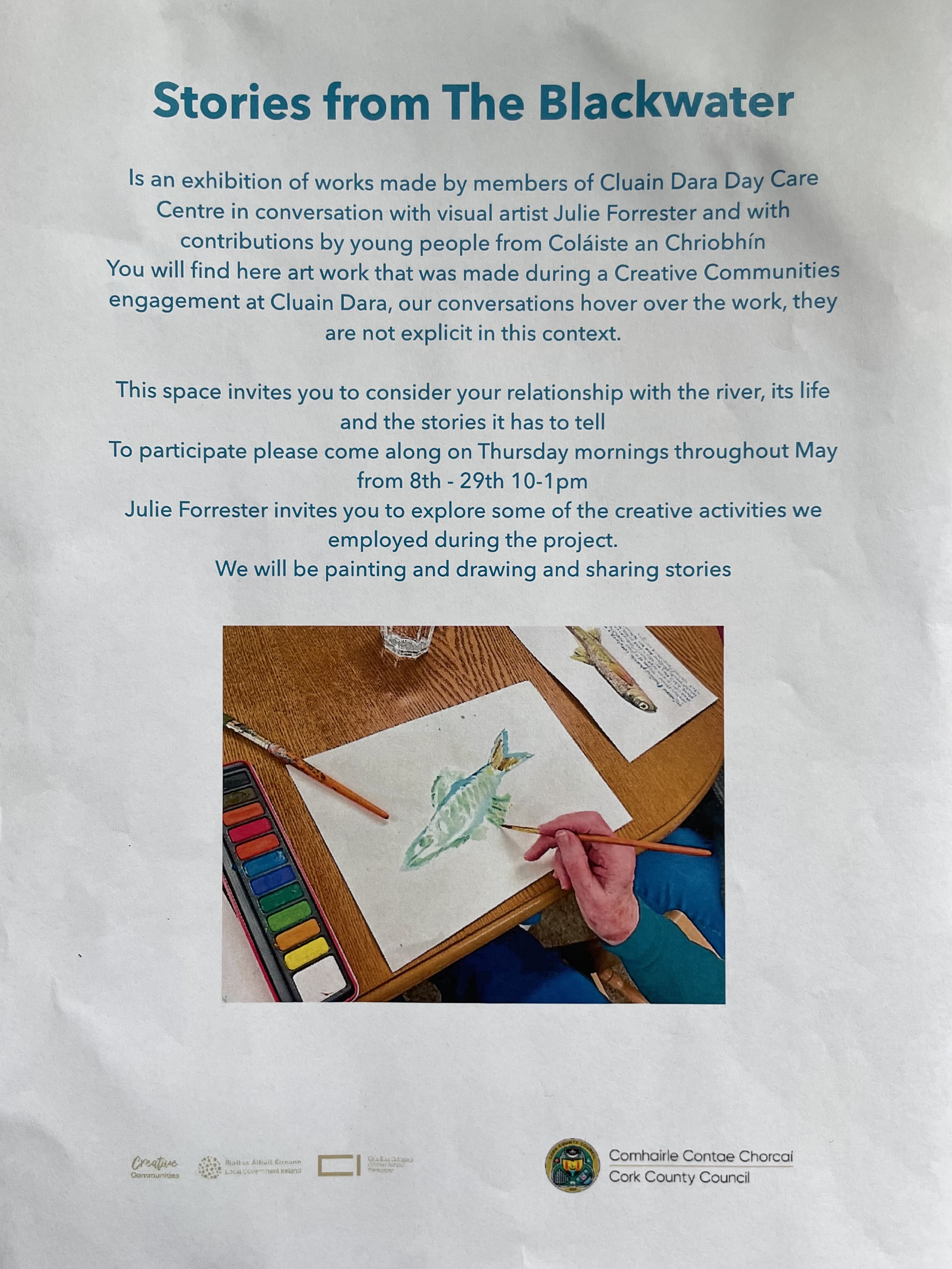
A poster advertising the exhibition "Stories from The Blackwater"


Stories from the Blackwater Catchment is A Creative Communities project which brings together Elders for Cluain Dara day care centre and young people from the neighbouring school, Coláiste an Chraoibhín. Participants have been sharing stories and questions about the river Blackwater and what it means to live within its catchment. I have been working with the groups since Autumn 2024, stirring up river relations, co-creating and collecting imagery that has been conjured up by this engagement, and I will be bringing this collection to Fermoy library for the Bealtaine Festval (which celebrates creativity as we age, and runs annually during the month of May).

Visitors are invited to come see and hear and contribute to this collection. Members of Cluain Dara and Colaiste an Chraoibhín will be dropping by to share their stories and thoughts about the project. The exhibition will run throughout the month of May and I will be hosting creative sessions in the library on Thursday mornings of the 8th 15th, 22nd and 29th May, if you would like to get involved please do drop in between 10 am and 1pm. All welcome 🙂

an elederly man's  hand holding a box of hand tied fishing flies

John Joe O’Sullivan’s Box of Lures

This fly box belongs to one of our river elders, John Joe O’Sullivan. Each hand-tied fly is a quiet testament to time spent by the water. John Joe has fished in every tributary of the Blackwater and beyond.

These tiny, intricate creations are more than just tools for catching fish. They are quiet conversations with the river — observations made in feathers, plants, scraps of thread, and imagination.

To tie a fly is to understand the insects that live along the banks, the moods of the water, and the patience needed for the catch. John Joe is deeply attuned to the ever-changing greens of the river in shifting light. The materials for each fly are most reliably gathered from the riverbank, chosen to match the weather and the flow of water on that particular day.

Later, a fishing friend tells me: “You must match the hatch.” To catch a fish, your fly must resemble the river insects hatching at that very moment. It’s part science, part instinct — and a deep form of listening to the river.

I am intrigued by the yellow ones both by the material and the spidery form. John Joe ducks my questions and asks me to identify which one might be “The Devil”, one he thinks I might guess by its colour.

This box is more than a collection — it’s a map of memory, craft, and deep-rooted knowledge of the river and its life.

a close up photo of the foam interior of a box of and tied fishing flies

Scoil Mhuire Mosaic

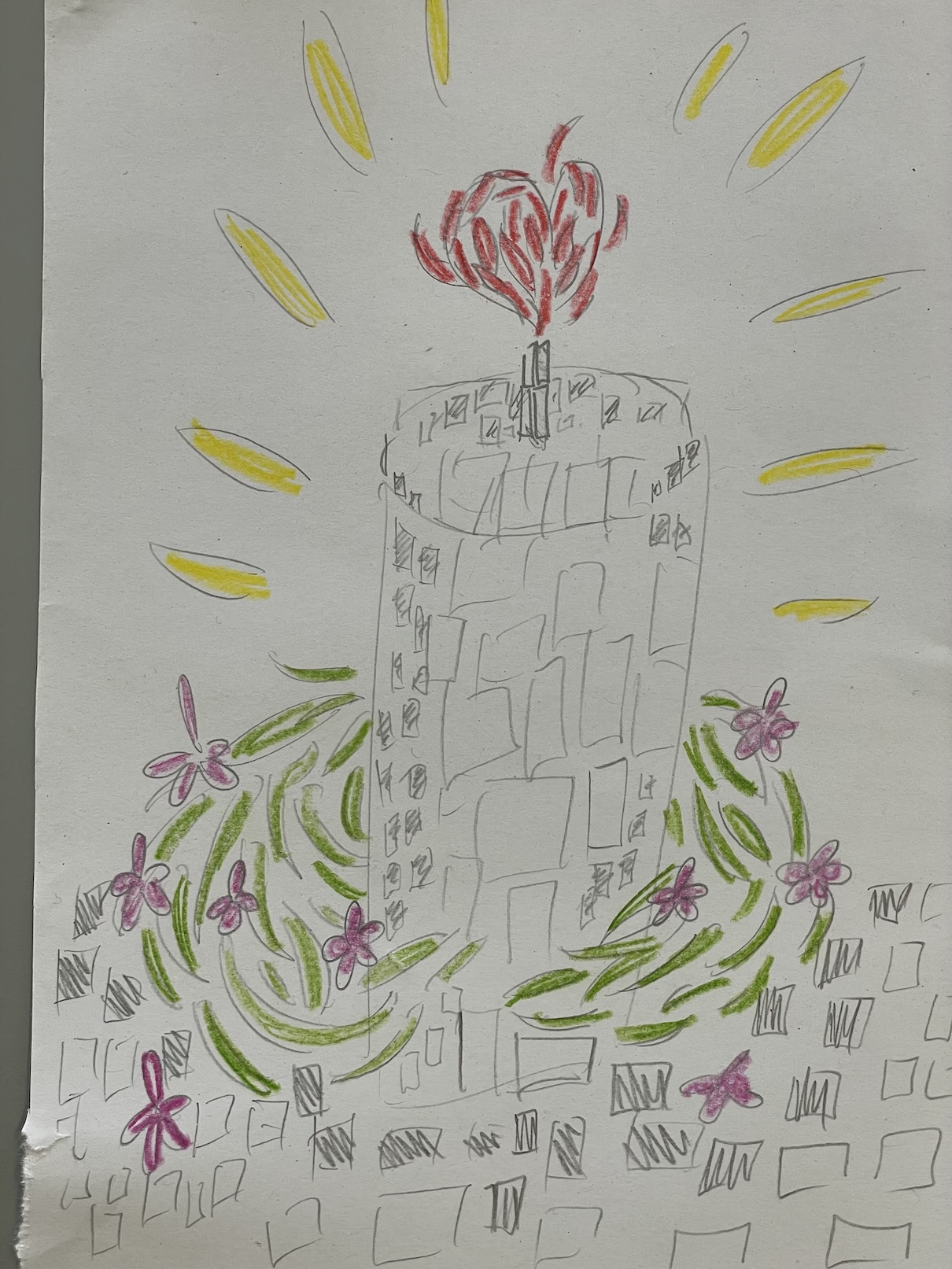
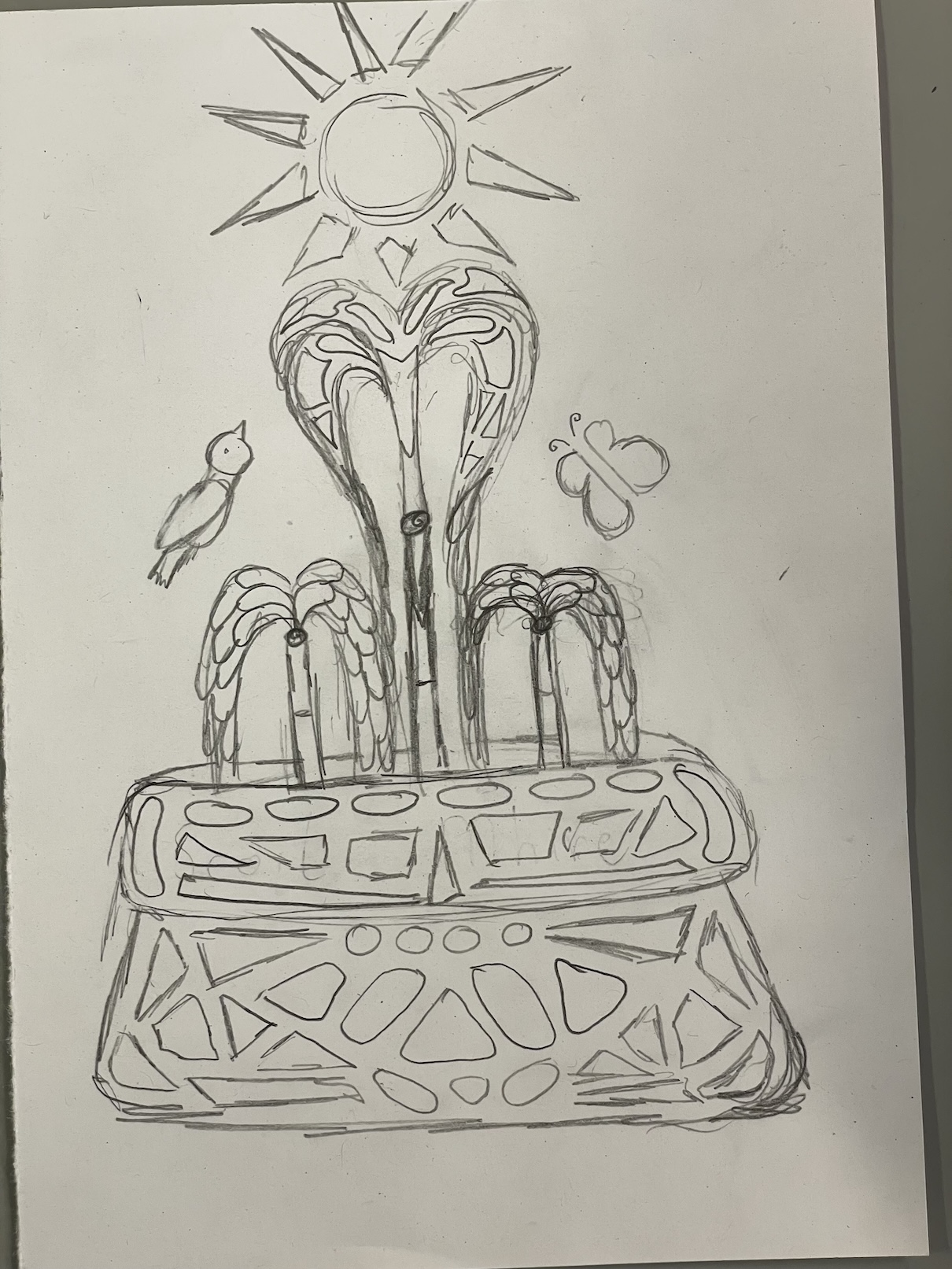
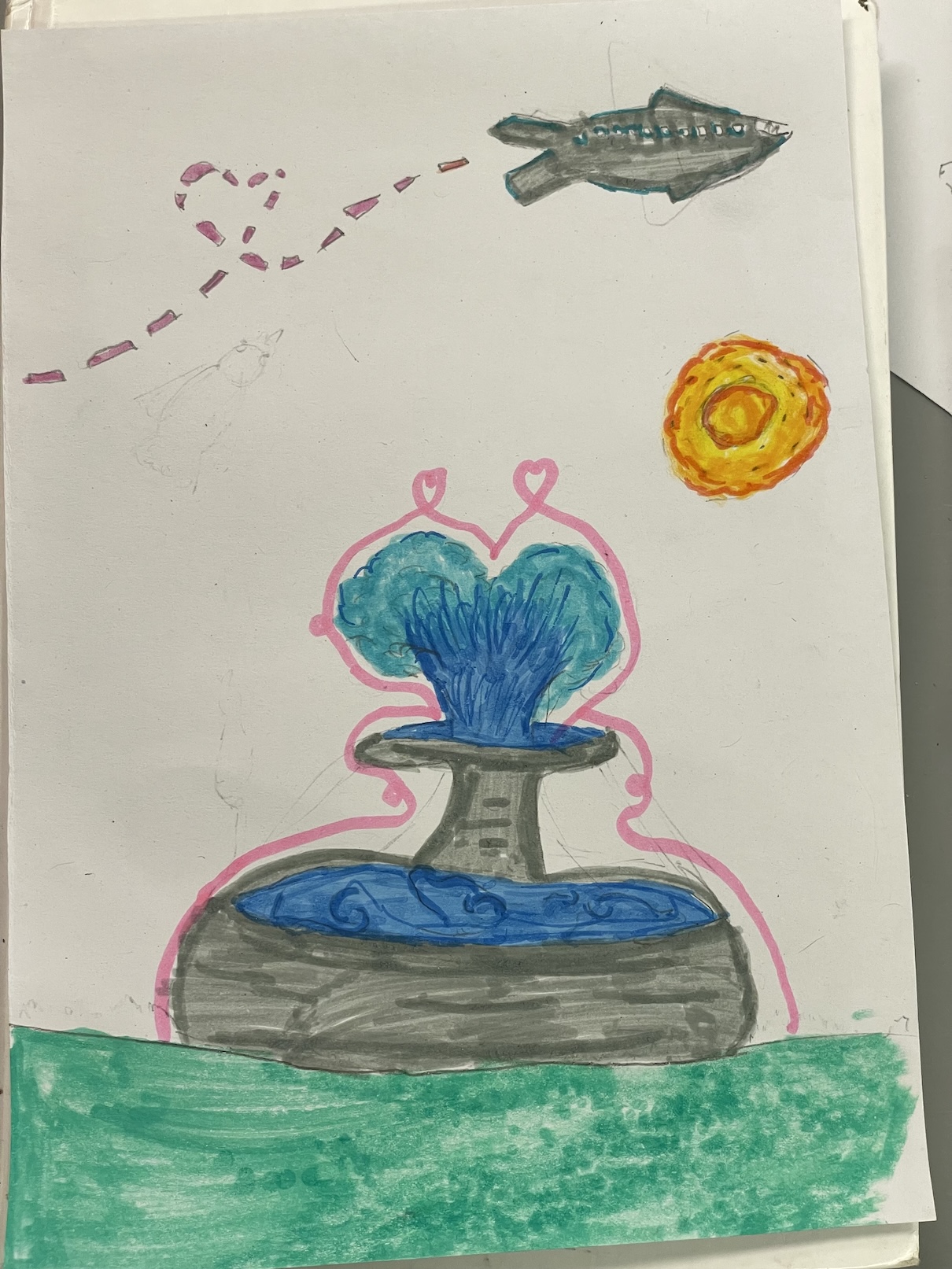
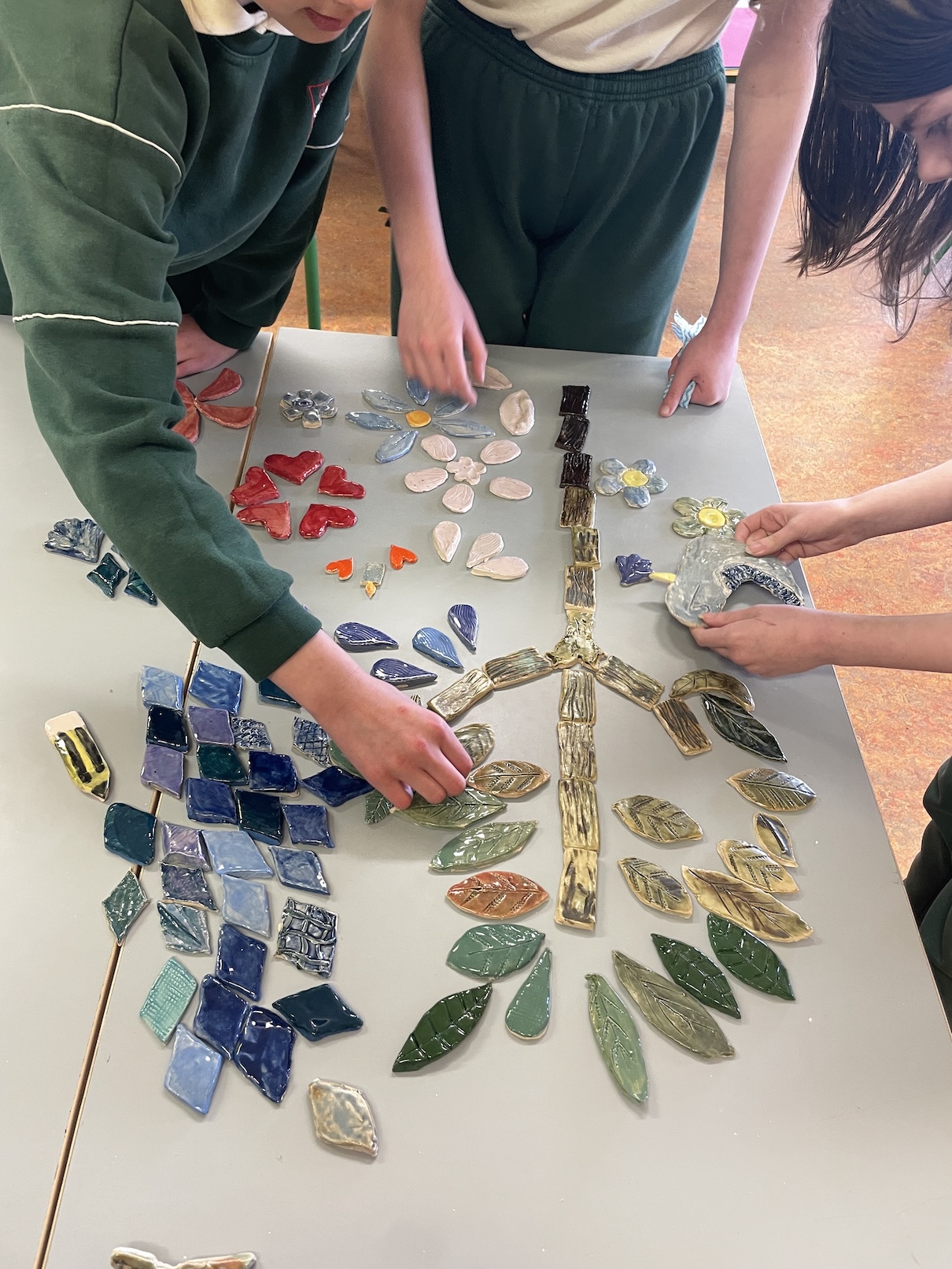
Scoil Mhuire students were invited by the principal to contemplate the School Crest. They explored by drawing and discussion what the ethos of the school might mean to them. We found that the crest included all the elements – the candle flame, the fountain, the seedling – and had an interesting discussion about how each element influences and encourages the other and what the school ethos means to them.

young students arranging tiles on a table
pieces of ceramic arranged on a table
pieces of ceramic arranged inot an image of a tree surrounded by young students

The girls from 6th class have decided to name their mural “Our burning love for Scoil Mhuire”
ROAM

ROAM is a project which explores themes of loss from the time of the pandemic. We are working with young people age 10-12 and elders in communities across the Northside of Cork City.

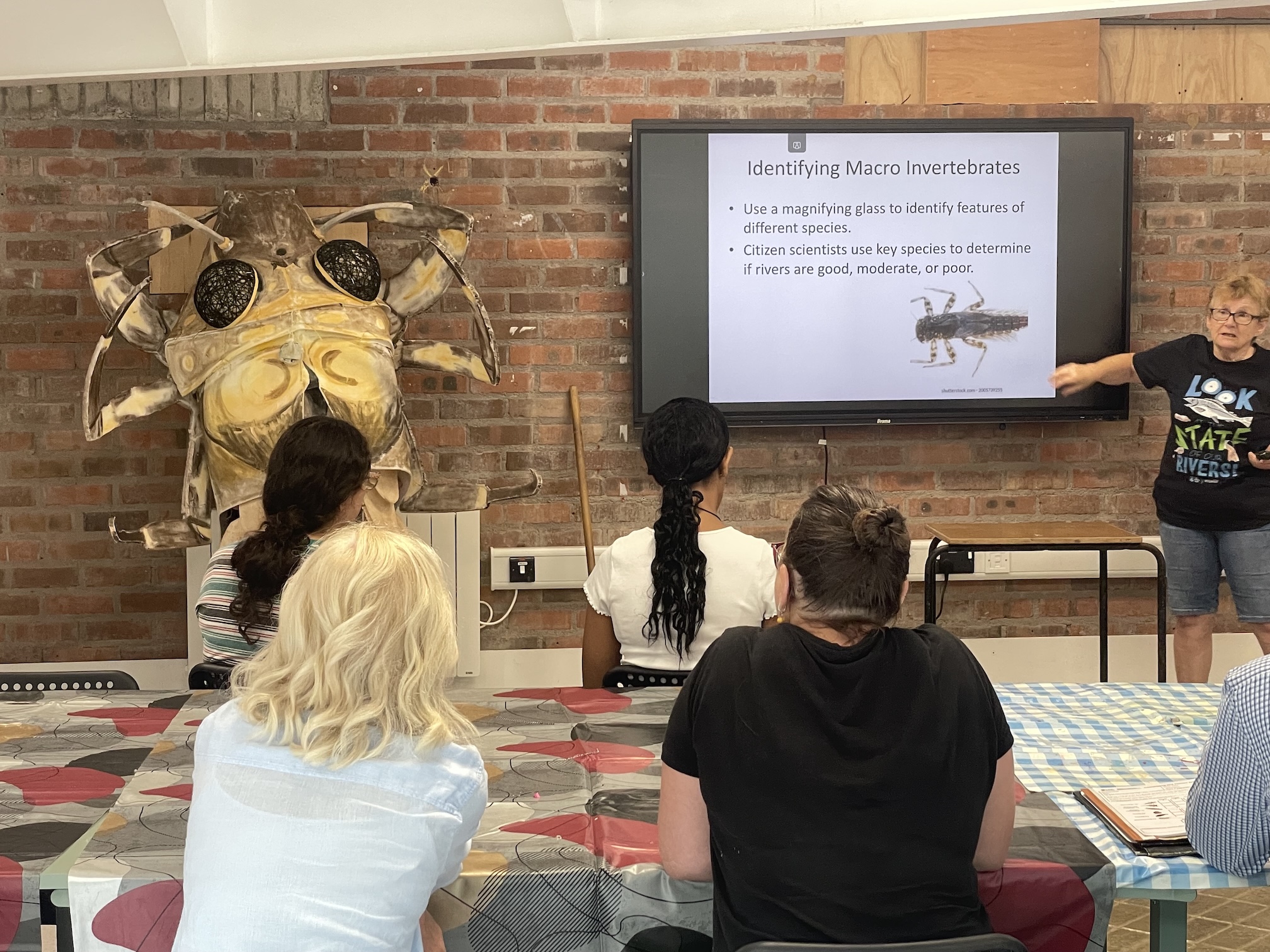
With girls from 6th class, we have been reflecting on the years between the covid pandemic lockdowns and now – 5 turns of the spiral, remembering what was lost and what was found during that time. Using botanical inks harvested from the Glen and other home made inks we experimented with the materials to see how they changed with different modifiers, just seeing what happens, allowing them to work their magic, messy and exciting at the same time.

Gestures that stay with us

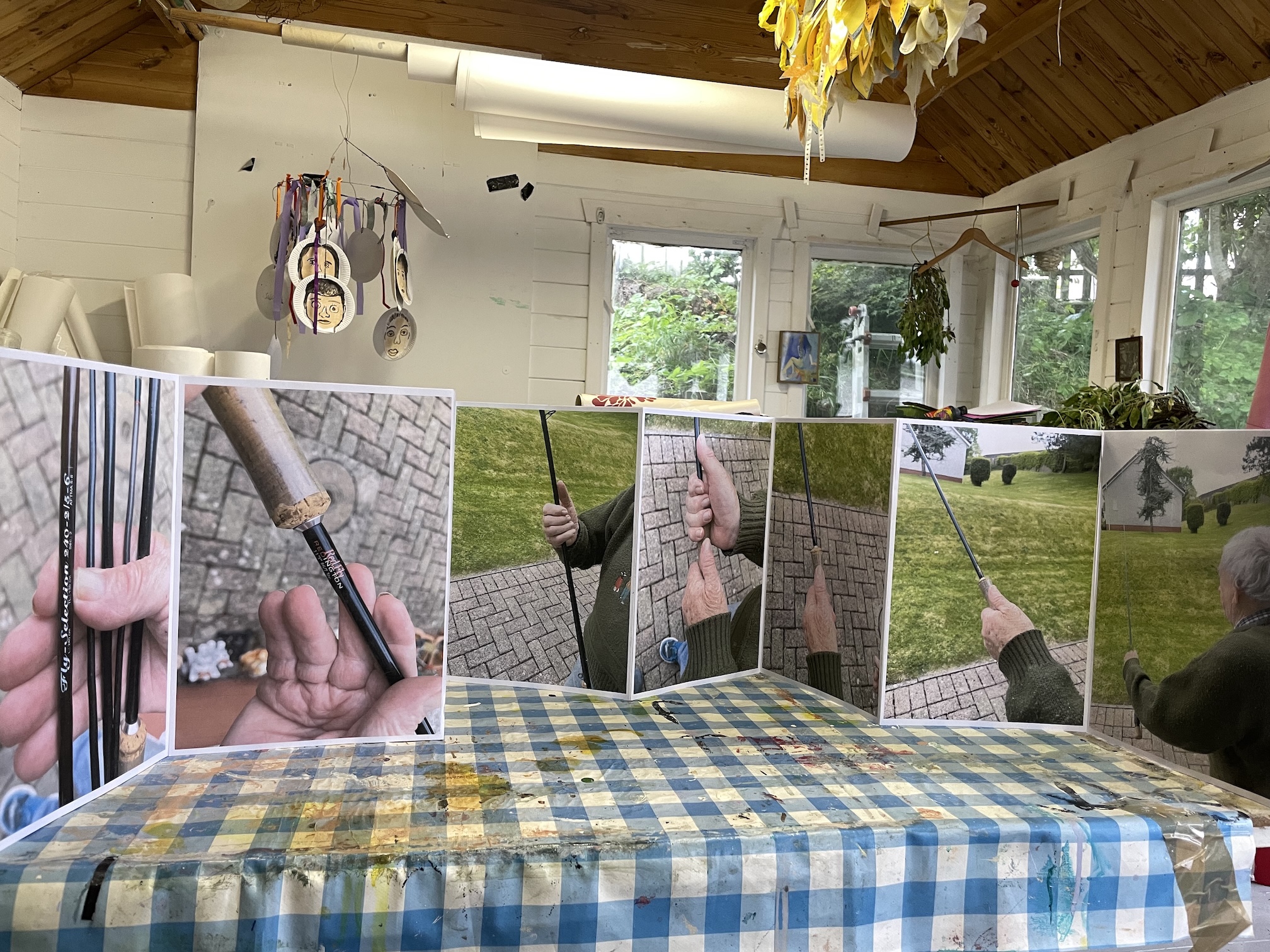
Gestures that stay with us – John Joe a keen angler gives a demo of how to make a lure -normally John Joe would pluck something from the river bank – exactly the right shade of green for the day that’s in it – here he had to put up with a box of odds and ends, the tiny hooks made large so we could all see what he was doing, the raffia was the material of choice and as soon as he had torn the slimmest sliver from a strip he began to bind- so fine- Next time I must bring the right hooks for the job, a number 16 he recommends.

We are collaborating on a Creative Communities Project at Cluain Dara Day Care Centre and Coláiste an Chríobhín Secondary School – in May we will celebrate our work so far in Fermoy Library for Bealtaine Festival of Life Long Learning ❤

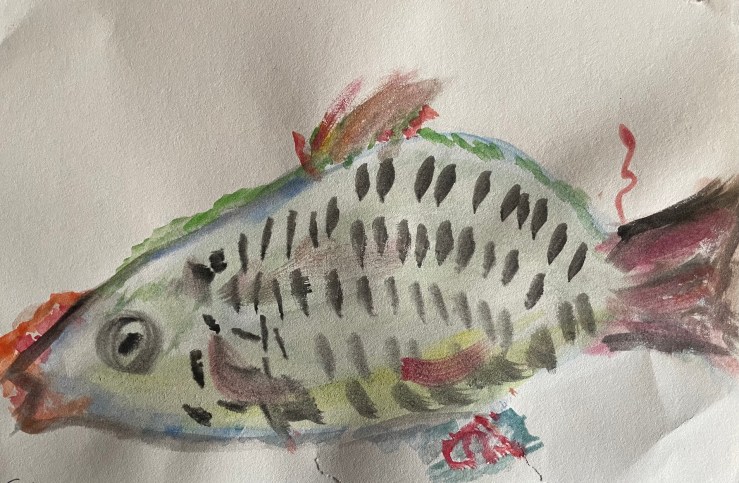
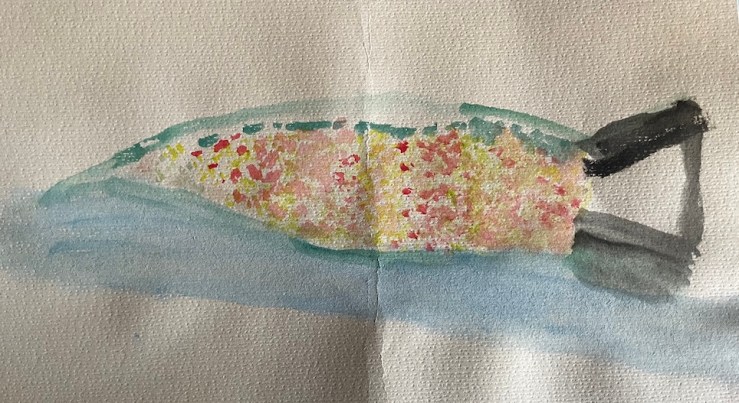
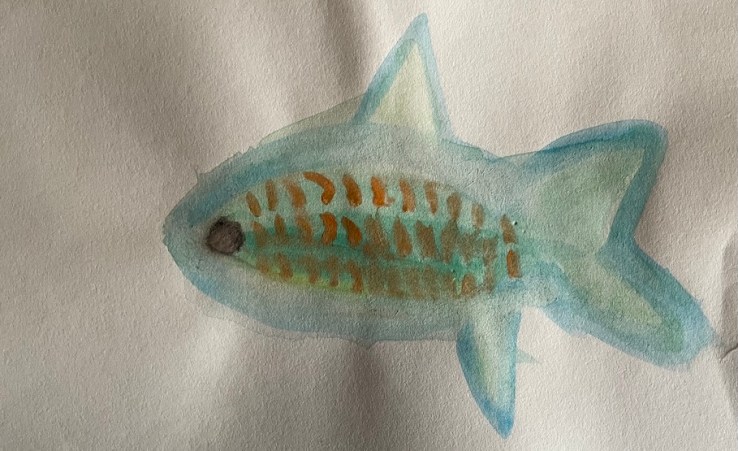
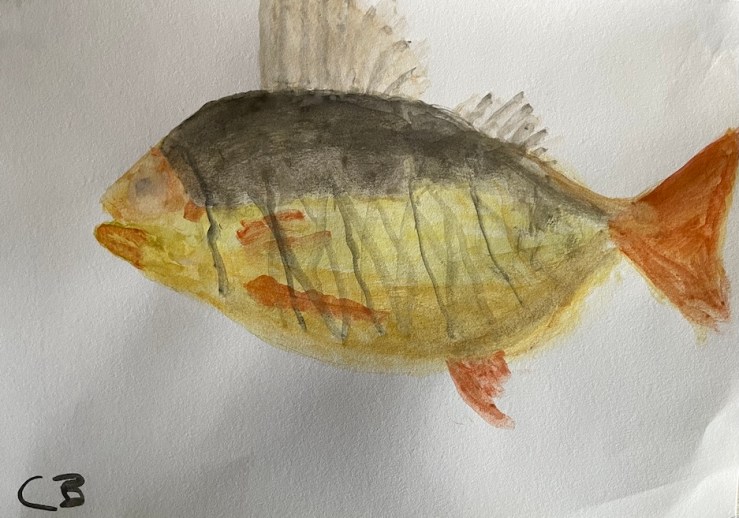
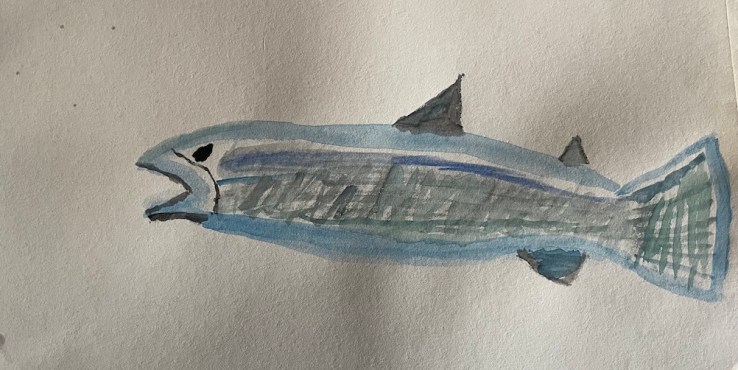
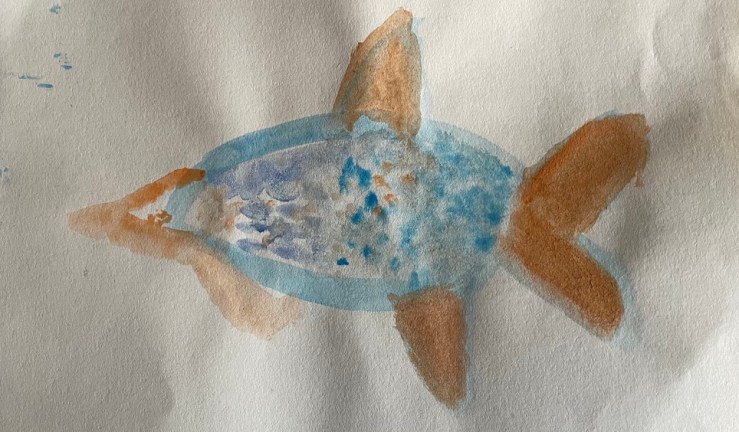
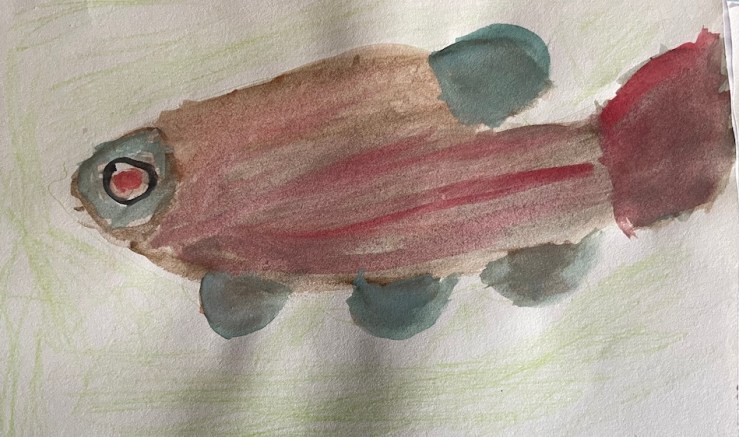
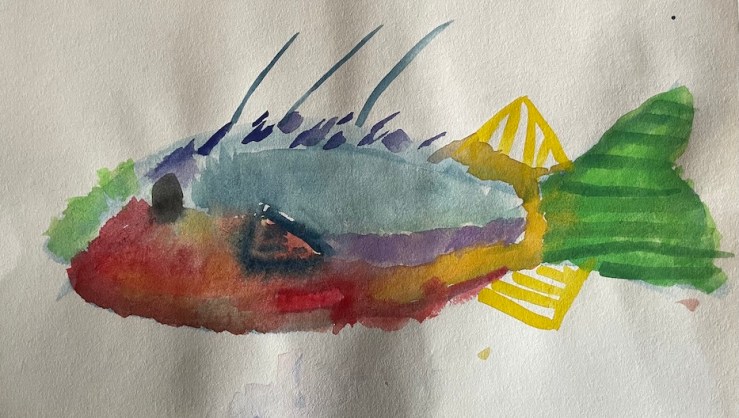
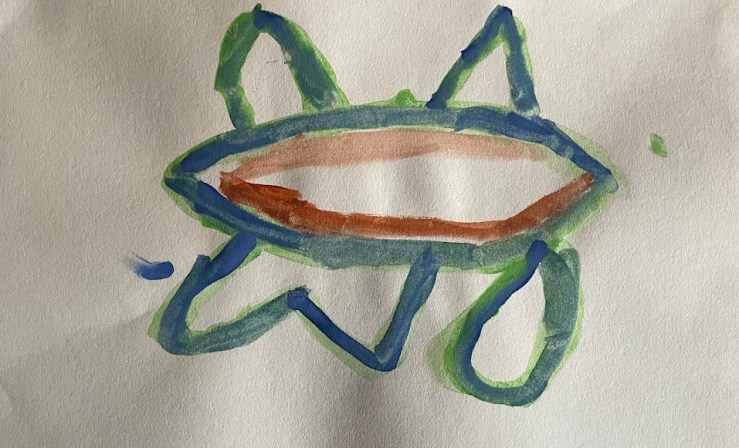
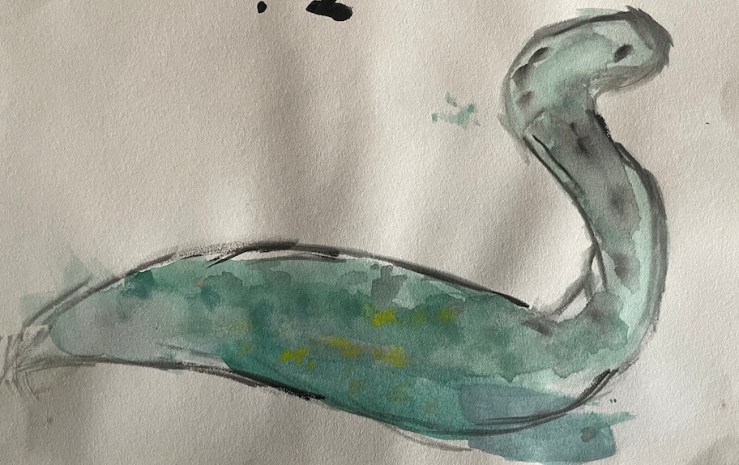
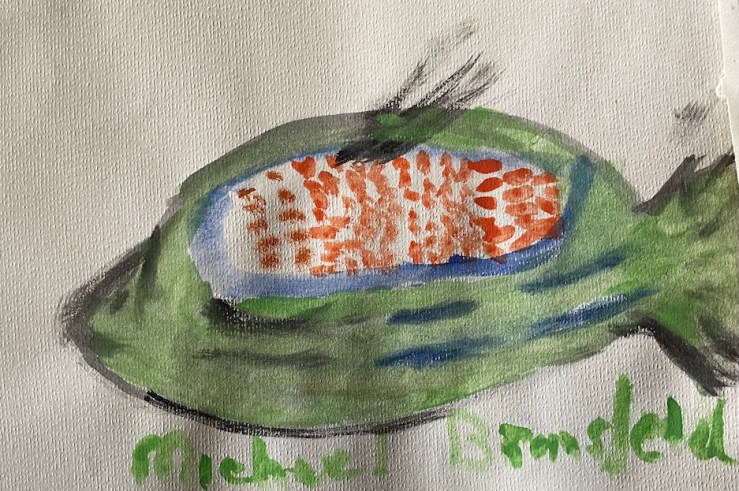
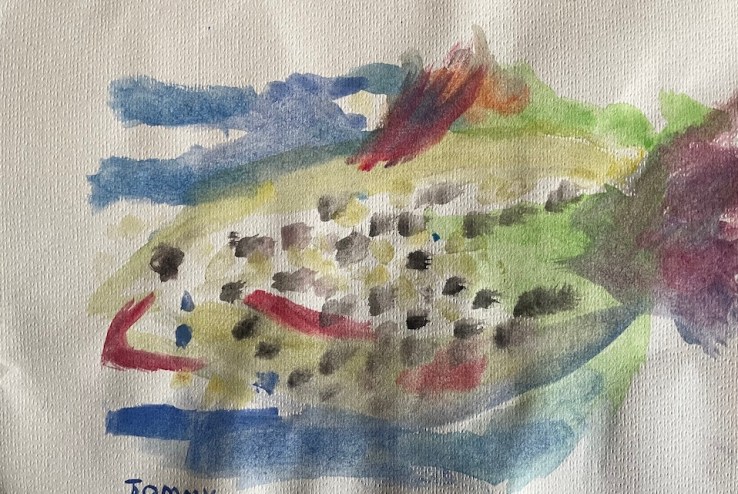
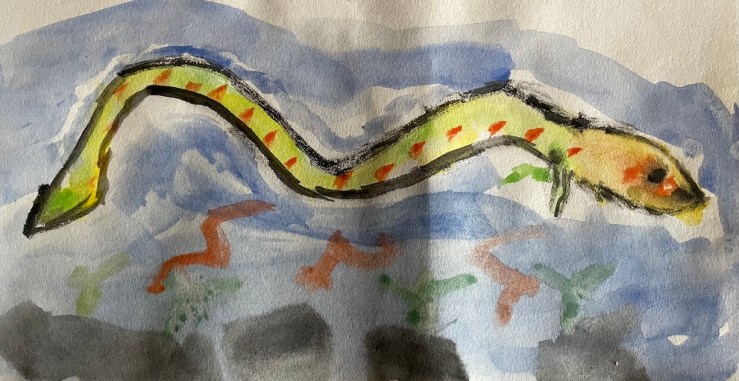
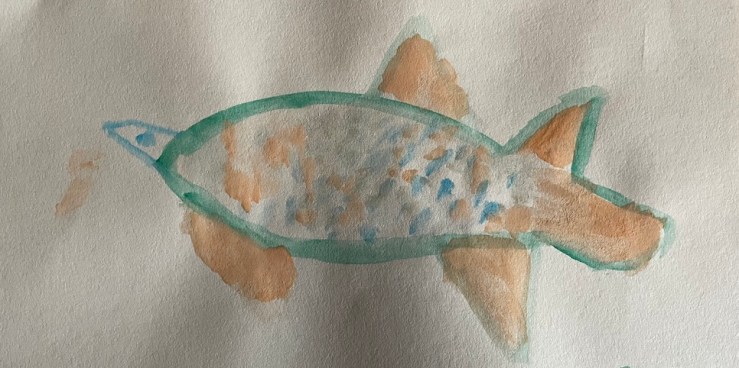
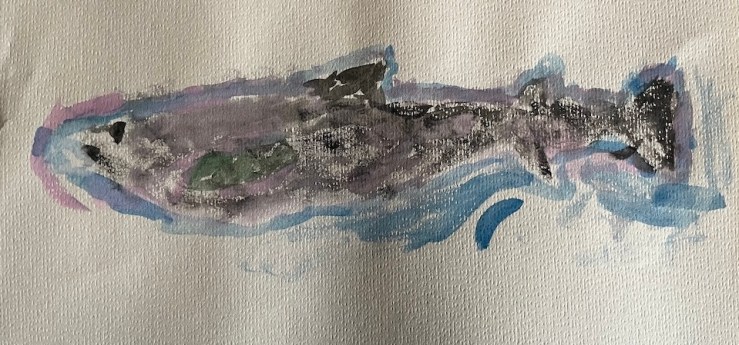
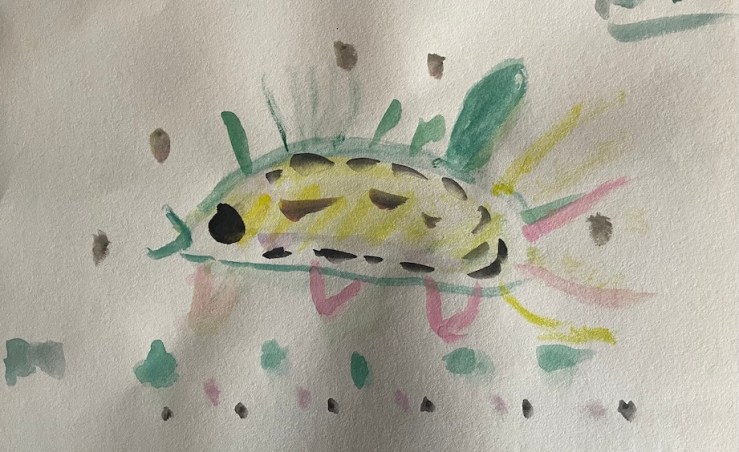
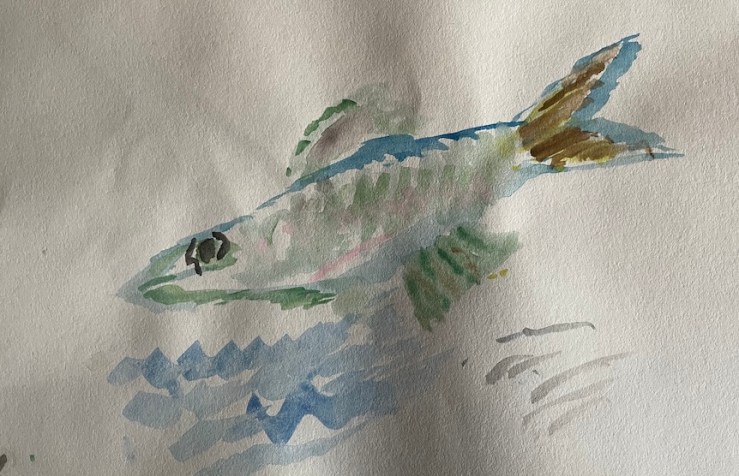
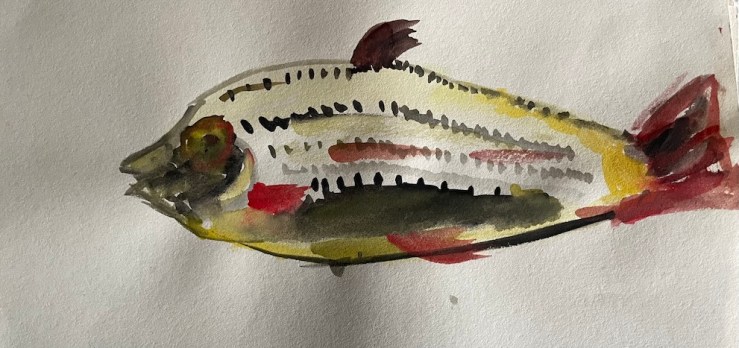
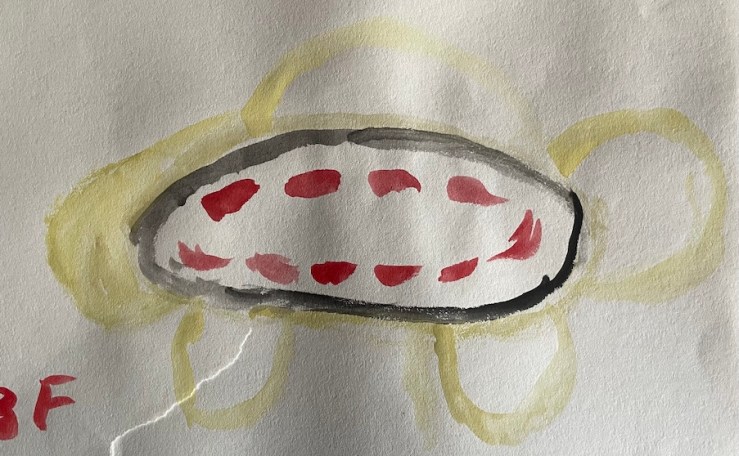
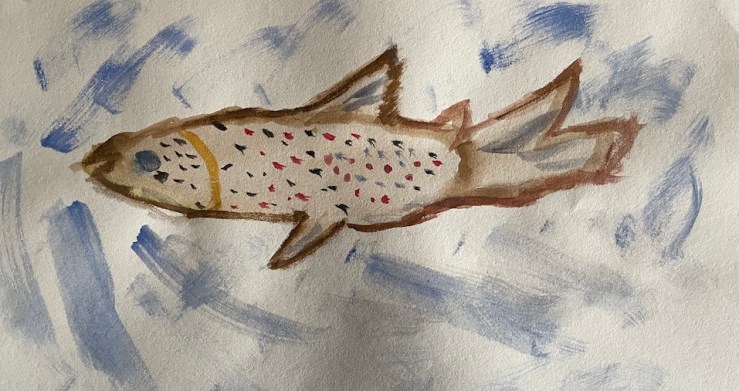
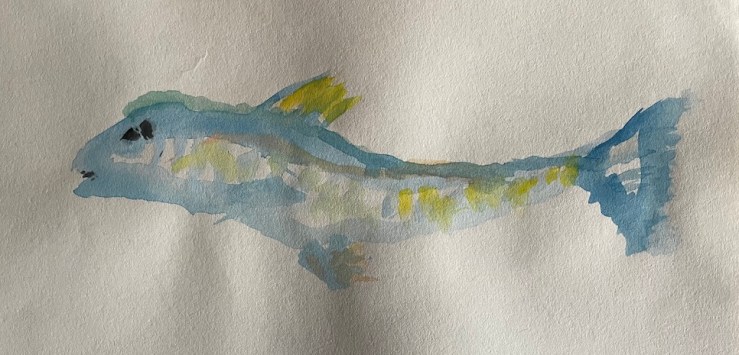
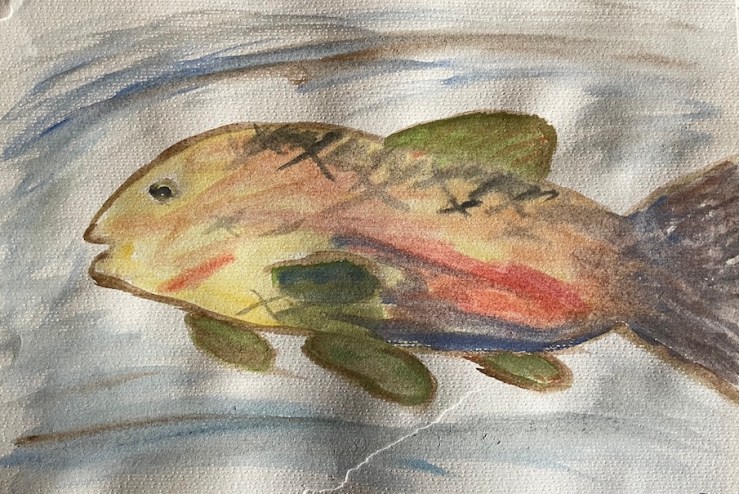
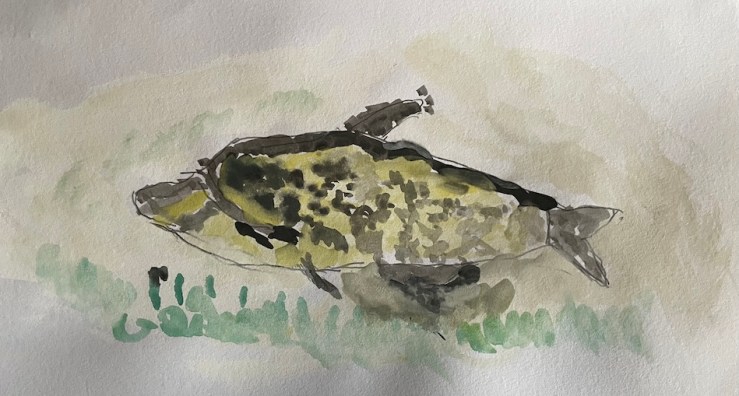
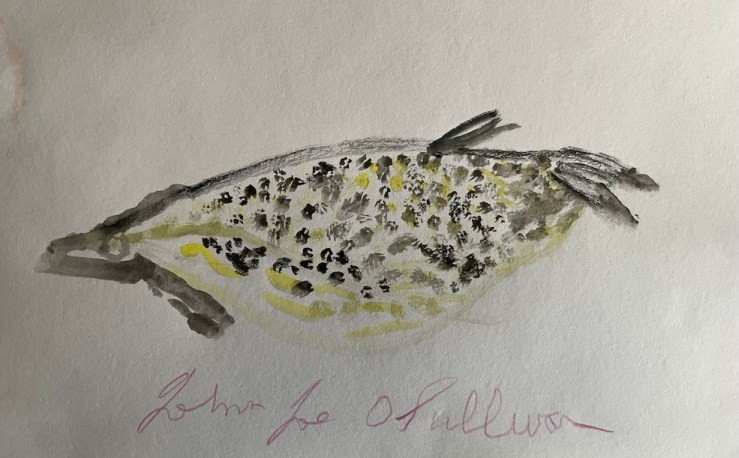
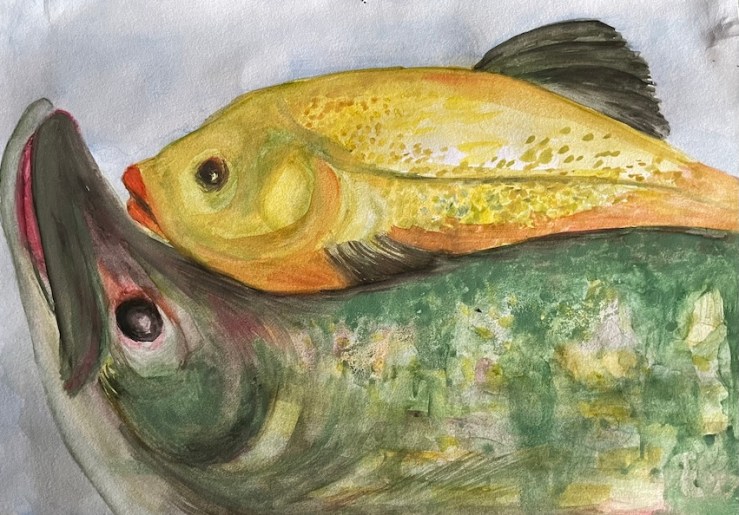
Painting the native and the invited fish of the Blackwater and flowing with the water

Not everyone has the fondest of memeories of water there are stories of drownings and floodings and near escapes. There are moments from history where people have gone missing. The bridges are places for commemoration for acts from the civil war and war of independance. There are mysteries. There are places where old cars have been used to shore up the banks, an official practice of old, many cars have been found in the river. There are no longer any hotels in Fermoy, but once the Grand hotel flooded twice in a week, calling forth the saying that the waters rise only every thirty years. There is the weir in Fermoy that fed the mills, and initially posed a challenge to the returning journey of the salmon who learnt to jump it. The weir has been in a state of disrepair for many years and the human boaters as well as the anglers are disrupted by this. There is the Duke of devonshire who owns the fishing rights along the Blackwater. We painted the native Salmon, The Stickleback, the Brown Trout as well as The Dace, the Bream, the Rudd and the Roach, the Dace, the Carp, the Eel, the curious Lamprey, the Tench, I found out the habits of each and shared what I learned.

We learned about the fish, the inhabitants of the slow waters and the quick, the native and the invited, We read a poem by Seamus Heaney:

The Guttural Muse by Seamus Heaney

I found it here:

https://www.newyorker.com/magazine/2013/09/09/the-guttural-muse-2

A slideshow of some of the watery river paintings from the group:

I remembered my favourite verse another poem from my school days – it is the last verse from

final verse of The Cloud by Percy Bysse Shelley:

This memory prompted me to revisit the whole poem – it gave me such pleasure to hear the happy memory from my school days, to feel the words in the mouth and ears – it’s here:

https://www.poetryfoundation.org/poems/45117/the-cloud-56d2247bf4112

Make or Break

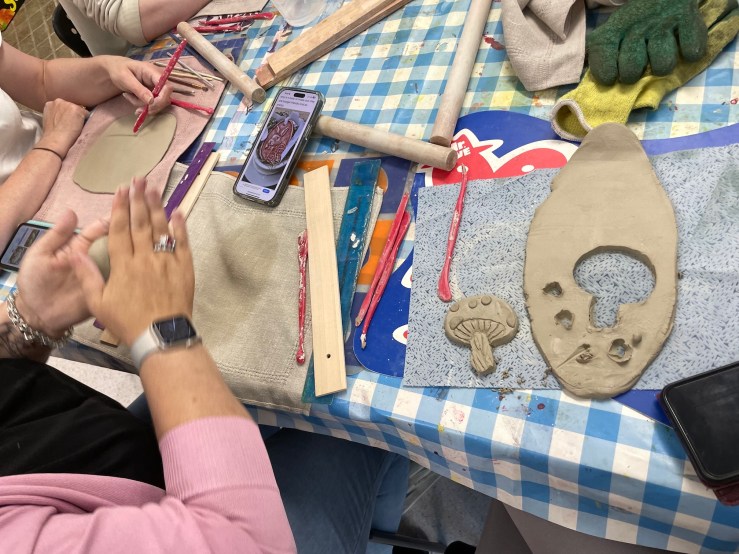
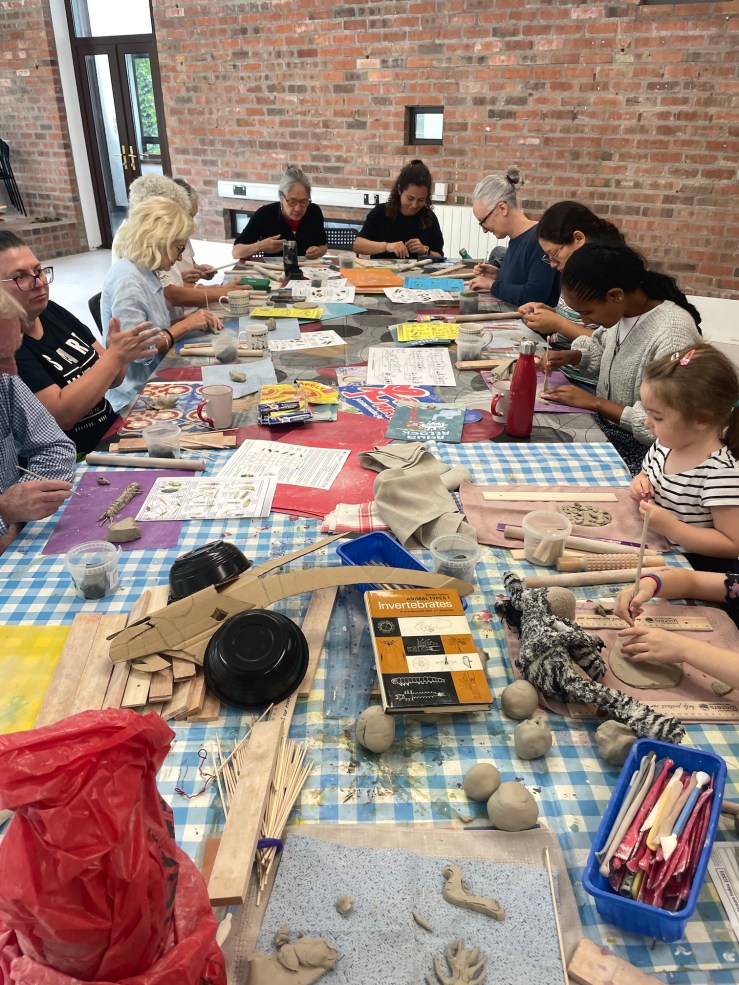
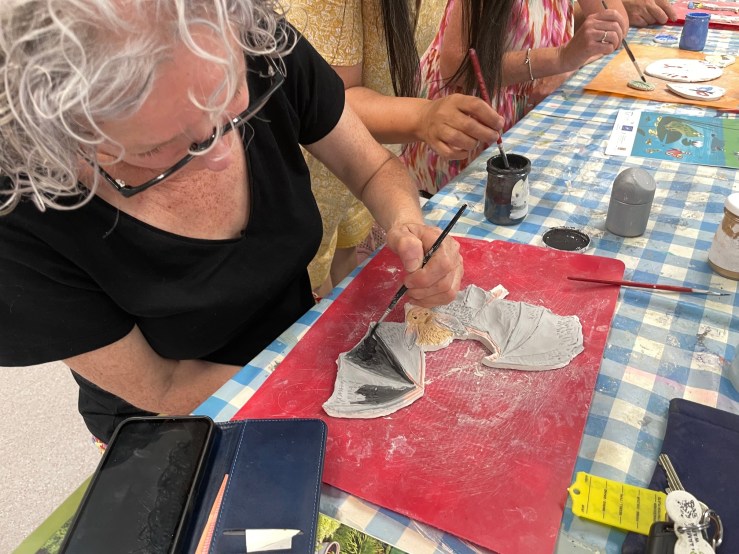
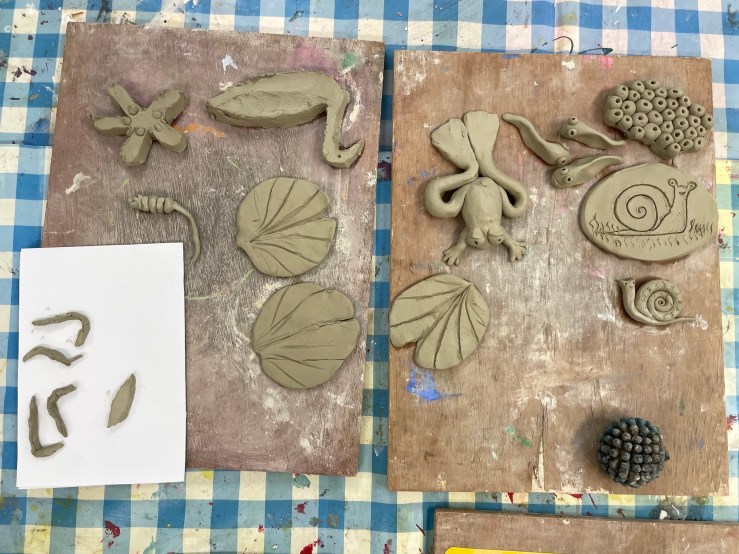
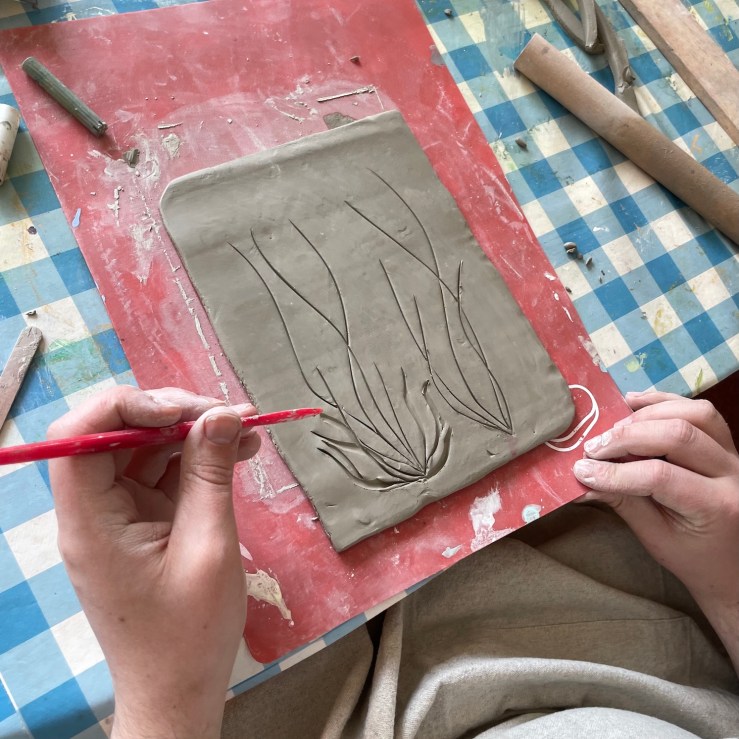
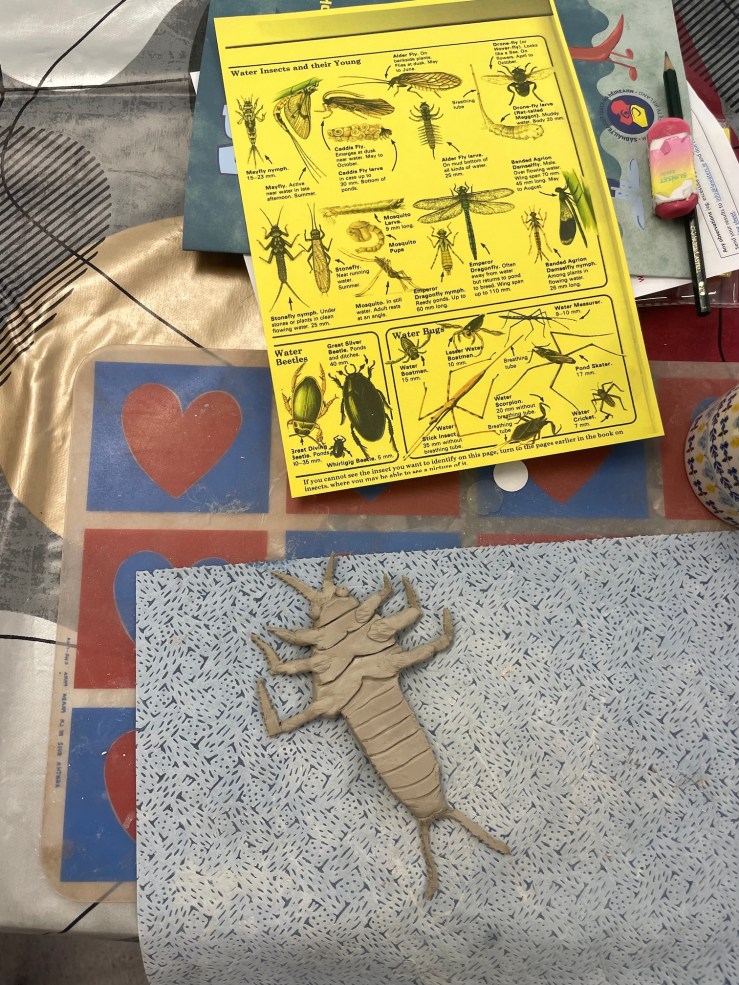
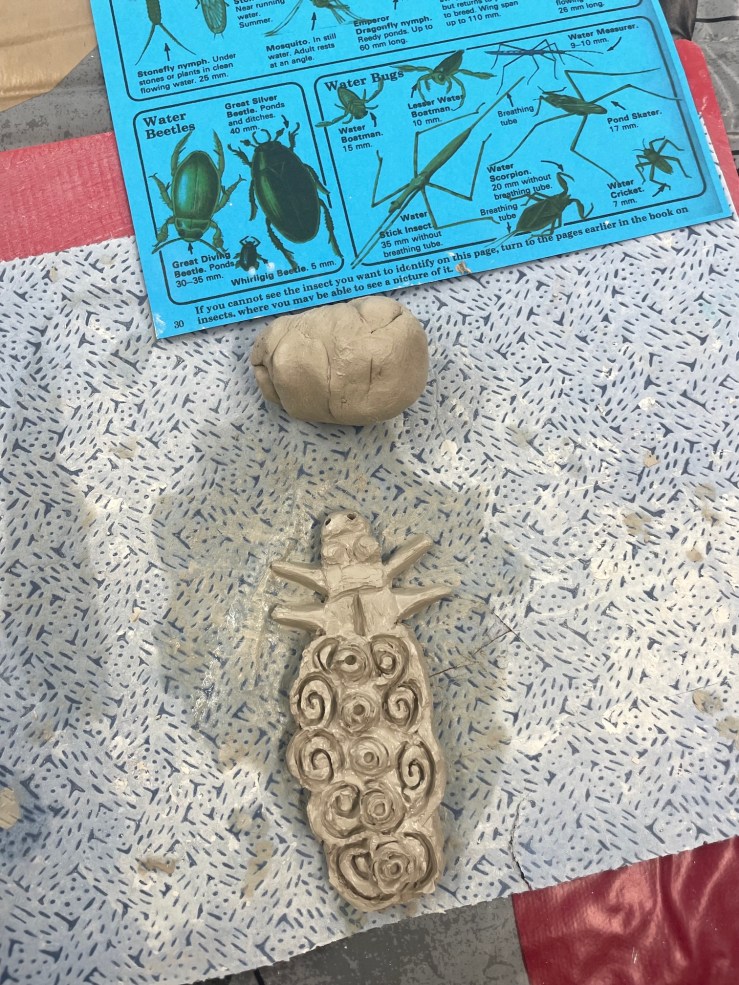
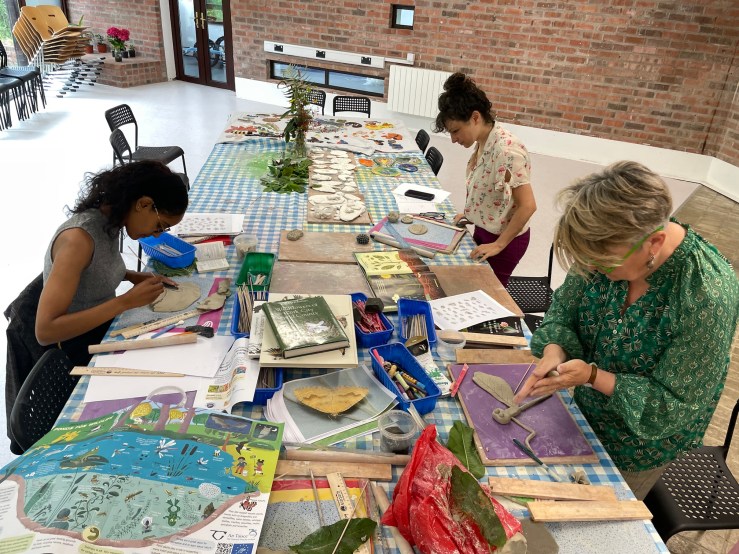
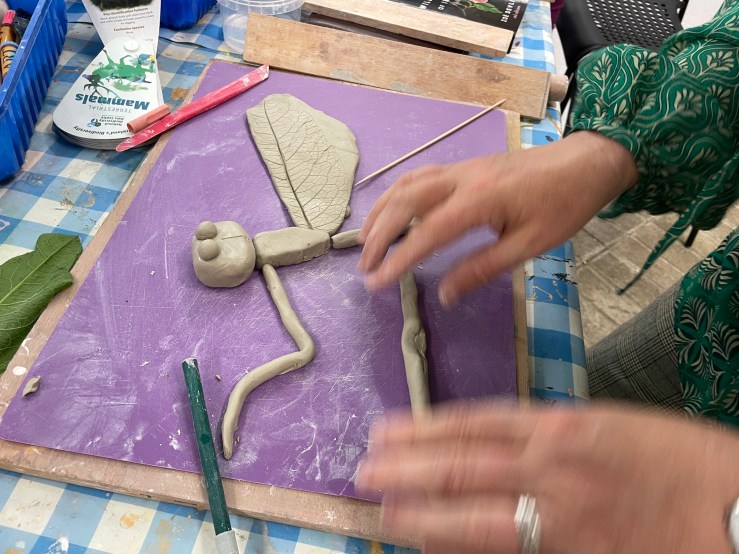
I have been delivering a series of clay workshops with people in their workplaces as part of the Make or Break Programme. Sessions so far have taken place in a variety of healthcare settings – where the workers get a chance to unwind over lunch by getting in touch with their creatiivity.

Make or Break

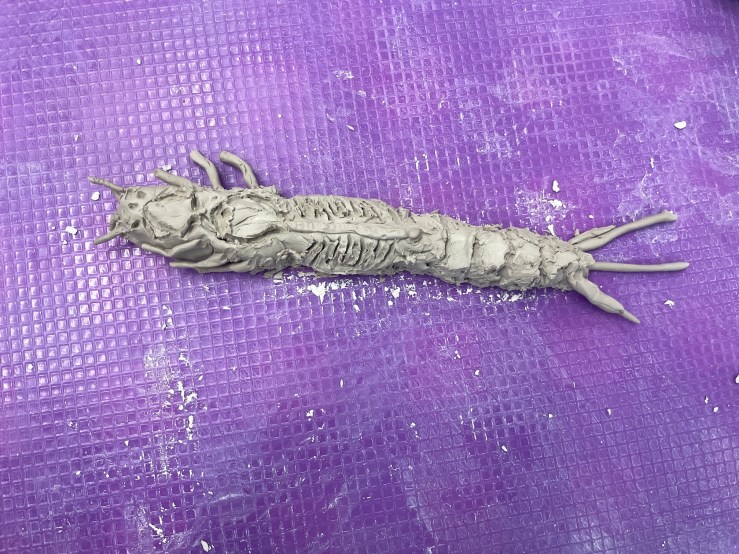
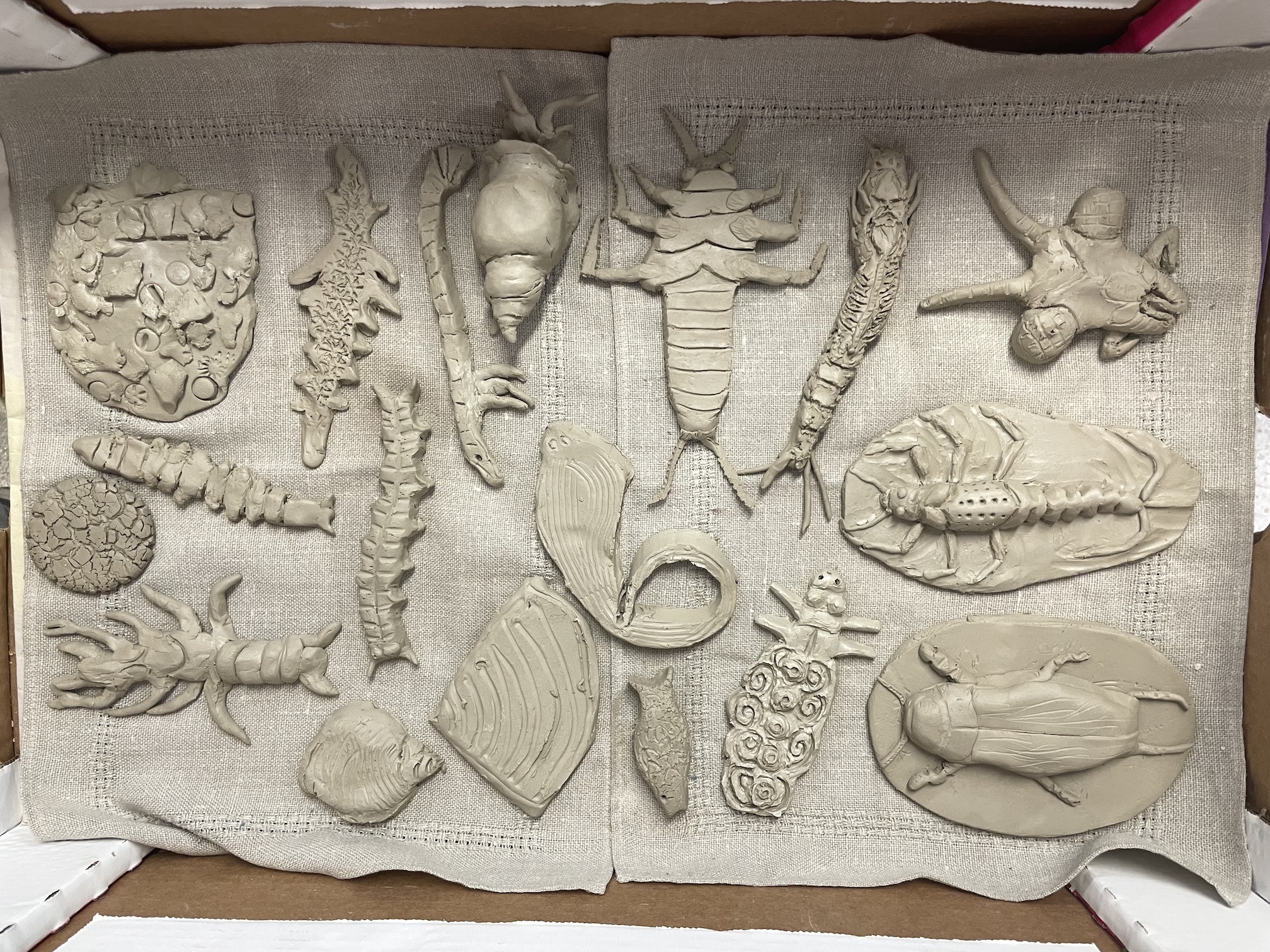
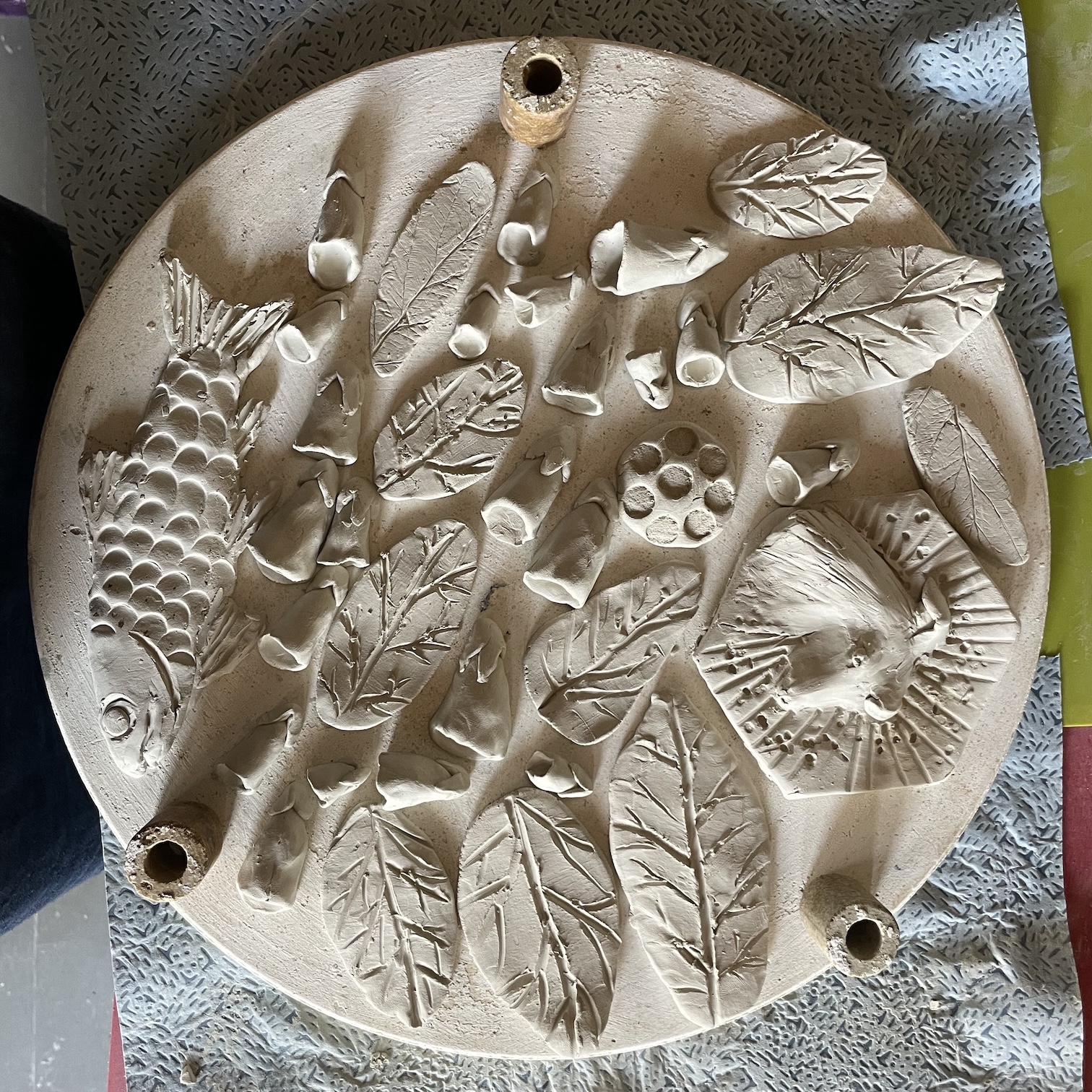
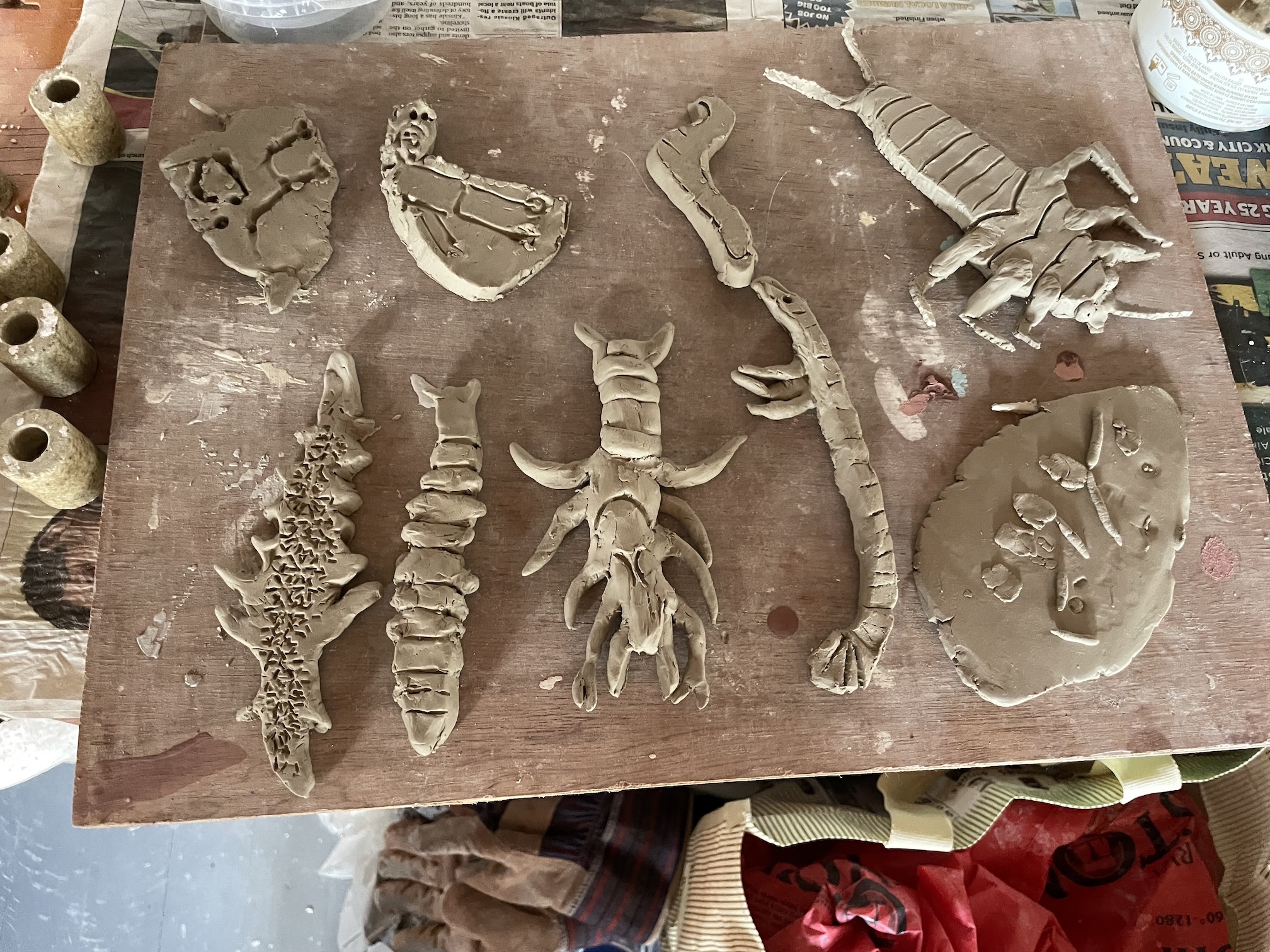
This time around I am in Mallow and Ringaskiddy and we have been connecting with our ancestors through clay….

Make or Break aims to enhance employee wellbeing through free creative workshops offered during workplace break times with local artists. Make Or Break is Pilot Creative Health and Wellbeing Programme

Initiated by Cork County Council Library and Arts Service, in collaboration with Kerry County Arts Service, the HSE Southwest and The Crawford Art Gallery

Managed by Sample Studios

Funded by Creative Ireland

Anticipated to run from Autumn 2024 until the end of January 2026.

On the eve of St Brigid 31/ 1 February 2025

Since the inauguration of Lá Fhéile Bhríd day to national holiday I have been invited to celebrate Brigid in Libraries in Cork County. Every year I have to reaccustom myself to the making of the “St Brigid Cross”. This year like every year I believe that I have finally developed a mnemonic which will carry me through till the next time.

I hold the first straight rush at North South, I fold my next rush and hook it over the middle pointing towards the West – I turn the rushes counter clockwise and hook the next rush under the East arm of the first straight rush ( at 3 O’Clock) this new rush pointing upwards “to the North”. I turn the bundle anti-clockwise and hook my next folded rush under the Eastern arm. I continue, each time hooking the new rush under the Eastern arm, and each time my new rush is pointing to the North. At the end I hook the last rush into the opposite hook to lock it in place. I think of the earth spinning on its axis – the Sun rising in the East as it falls in the West, this series of gestures encapsulated in the weave is befitting of Brigid, the godess of renewal and seasonal rebirth. The first day of February is when the first light creeps into the Northern most places of the earth.

brigids cross weaving and gods eye weaving

Brigids Cross weave and Mexican God’s Eye weave

A photograph of a Brigid's cross, triskel and Brideog made from paper quills

Birigids cross and triskel and brideog

Notes after attending a lecture on the mythology of St Brigid’s Cross by folklorist, Shane Lehane

This account is a mixture of notes from the Lecture and other myths found about Brigid.

The St Brigid’s Cross – Charm/ Amulet/ Fetish …and…Cross?

Affter a blue sky Brigid’s eve today we have grey skies and rain. A guest at yesterday’s lecture with Shane Lehane threw out this observation gleaned from farmer’s lore – that should we have warmth on the eve of St Brigit we should go gather our kindling for the next sharp snap. This day of Brigid rained hard but wasn’t cold.

Brigid the myth and the legend

Brigit arises from a proto-Indo European deity, associated in Europe with the river Danube. She is leader of the tribe of Brigantes whose legend spread across the continent. On an old map by Ptolemy we are shown the Brigantes located in the South East of Ireland. In Celtic mythology Brigid is the daughter of the Dagda and the Morrigan.

A photo of a drawing by Julie Forrester showing Brigid as mermaid with flaming hair

In accounts from the 5th century, St. Brigid was born into slavery, the daughter of a chieftain from Dundalk and a Christian slave. According to medieval records Brigid was born in Dundalk in 451, and it is said that she was born on the threshold of the Cow byre after her mother had spent the morning milking the cows. The cows became so fertile they needed to be milked 3 times daily and it was said that Brigid wasn’t able to drink milk until she was brought a white and red eared cow ( a reference to her connection with the Sidhe) which sustained her. Later she became the great nourisher and provider, with the ability to turn water into milk, her cows were sacred.

A pot of an artwork by Julie Forrester showing the birth of Brigid  and the sacred white cow

Raised by druids, St. Brigid was a spirited young woman who gave away her father’s possessions and removed an eye from her head in order to put a halt to his arrangments for her marriage. She befriended a fox and made friends with wild boar. Brigid famously made a bargain with the High King of Leinster when she asked for some land for her sacred herd. The king pronounced she could have as much land as her cloak could cover, whereupon Brigid unfolded her cloak again and again until it spread across the whoke of the Curragh. This miracle meant she could claim the land and the king converted to christianity in her honour. Brigid built a monastry in Kildare on the site of an ancient oak forest and she was granted the title of Bishop of this cultural and religious centre.

A photo of a drawing by Julie Forrester of brigid unfolding her Cloak, claiming the Fields of the curragh for her sacred herd

Brigid hangs her cloak on sunbeams, her cloak may be frost or snow or fog covering the land.

a photo of an artowrk by Julie Forrester shwoung Brigid opening her cloak

Brigid of Fire of Poetry and of the Wells.

Fire and water each reperesent powerful processes for purification and cleansing.

Brigid is keeper of the wells and many bear her name, she is matron saint of water as she is of fire. Fire is protean alchemical creativity. Water is fertility and life. Together they indicate a powerful healing combination and the wellstone of poetry and art. Brigid is matron saint of smiths as well as farmers healers and poets.

a photo of an artwork by Juie Forrester  "Brigids elements"

The essence of water is of fertility, of cleanser and rejuvenator. Her presence is there at the breaking of the waters in birth. The amniotic sac is the caul, and the hood is synonymous with Brigid. Babies born inside a caul covering the head were said to be protected from drowning and Midwives used to sell the birth cauls to sailors.

It is customary to leave a ribbon or a rag for a blessing at Brigid’s well. On the eve of the first of spring women leave out a scarf or any worn and unwashed piece of cloth, known as a Brat Brigid to be blessed by the saint, filled with the dew from the last day of winter crossing to the renewal of Spring.

The fiery arrow, Brigid shone so brightly she had to cover her head at all times with a cloak. She is depicted often in 3s, with offerings appearing in the opening folds of her cloak – fruit…bread…a baby.

Brigid is both saint and godess, harbinger of the spring, and protector of the threshold. Born on 1 February after her mother had finished milking the cows she was birthed on threshold to the byre. The cows had to be milked 3 times, such was the abundance that Brigid brought with her, and her head shone so brightly it had to be covered. Her feast day is Imbolc, “in the fertile belly” or Óimelc meaning ewe’s milk, and she is bound up with this milky necter through her fiery flower, the Dandelion with its milky sap, she is the butter on your spuds. She is goddess of fire and water and matron saint of poetry. She is keeper of many of the wells.

A pohotoof an artwork Awakening by Julie Forrester. Water colour showing a 2 figures one caped in blue and surrounded by firey colours and one emerging from green vegetation

She is bound up with The Cailleach, the veiled one and the crone – Brigid is Maiden to the Hag. The last standing sheaf of the grain harvest is coiled into a Cailleach at Samhain, on the threshold of winter. The straw Cailleach is kept for the the first day of spring when it is transformed into a Brideóg for St Brigid’s day. A brideóg is a doll, a representitive of the divine feminine, and also a baby. In the old customs the “biddy boys” were originally girls. The girls made a brideóg, dressing it up in a white shawl and skirt. The biddy boys roam from house to house asking for a blessing in return for a coin, customs like this contributed to the bonding, the nurturing and the knowledge of midwifery and childbirth, the womens’ realm. She is the protector of young women’s virginity.
A photograph of a Brideog made  paper quills and fabric by julie forrester

The custom of the ribbon winds through Irish folklore. On the eve of February the first a ribbon may be left out for Brigid’s blessing, to be kept on hand for healing and protection. In this way Brigid is bound with St. Gobnait, whose day is celebrated 11 days later, on the 11 of February (slippages and overlaps like these are thought to transpire due to the “missing 11 days” that resulted from the change from the Julian to the Gregorian Calendar). At her Pattern day at St Gobnait’s church in Ballyvourney the ritual of St Gobnait’s measure is enacted. On entry the women buy a ribbon then form a line to vist the 14th century wooden effigy of St Gobnait. In turn they measure the torso of the effigy and tie and untie the ribbon three times at neck and waist and groin, and on each occassion of the untying the devotee blesses herself, finally lifting the doll to perform the blessing. After the blessing the ribbon is bound into a bundle and kept for healing. This sanctified ribbon may also be unwound and worn for protection during childbirth.

Brigid and Sheela. Sheela na Gigs are stone carved depictions of skinny crones with withered breasts and ribs, who are squatting in birthing positions, many appear to be wearing a ribbon and some have what may be a caul at their feet. There is a distinct diamond form created by the birthing legs, much like the weave pattern of the Brigid’s cross. They are a perplexing riddle of ancient crone combined with fertility godess and they are found over portals in holy places. The Sheela na gig is seen to be both maiden and hag, a being who is at once Brigid and The Cailleach.

"an Cailleach" a photo of an artwork by Julie Forrester after the Sheela na Gig

In Ballyvourney there is a Sheela above the portal of the now ruined church where Gobnait’s ceremony takes place. Sheela occurs at the stone portal in much the same way that Brigid’s crosses are placed over the portal to the home, a talisman protector of the threshold. Many of the stone carved Sheelas appear to have the same lozenge shape that is expressed in the weave of the Brigid’s “Cross”. Shane Lehane (among others) argue convincingly that it is this lozenge that is the sacred element of Brigid weavings, and not the cross, and this lozenge form is a sign for the sacred female genitalia.

The Brigid’s cross is made from fresh rushes pulled up from marshy areas and often brought to the milking parour where they were placed under the butter churn. The rushes are then woven into “crosses” and sometimes triskels and other forms. There is a strong connection with fecundity. The weaving of a fetish item which possesses magic power and becomes a symbol for the female godess. There is a contiguous magic between the crop, rushes, water, time and rebirth. Indeed, when creating the cross you turn it like a wheel, and the use of North South East West or a clock denoting the times of 12,3,6,9 can be used as mnenomics for its creation.

Brigid is the matron saint of domestic animals, from her own birth connection with cows through fertility and birth, through her connection cows and ewes milk and, with Gobnait, bees and honey.

Brigid is also entwined with Mary whom she accompanies in many guises in Irish mythology, Lehane says: “where Mary goes Brigid goes”. When Mary is brought to Ireland there is already a female deity and Brigid becoems Mary of the Gael. Brigid is midwife to The Christ, and companion to Mary in her hour of need. At the deeply shaming churching ceremony, when Mary is invoked and shamed, along with each new mother for her sins and her part in the creation of new life, Brigid is said to appear as a veil of light for Mary to alleviate her humility, when she brings the form of a harrow over her head, the teeth of the harrow light up and all are blessed.

A photograph of a watercolour artwork showing unfurling leaves and crevices with fluid strokes

The Leaba Bríd is a birthing bed of straw strewn in the corner near the hearth, the place where mothers squat to bring forth new life, When a couple married the mother of bride or groom used to make a straw cross and singe the ends of one arm and one leg to bless the marriage and place it on the straw bed for protection in childbirth the saying “the moment my head hit the straw” comes from the moment I was birthed in the straw.

Another ritual element is the Crios Bride, a girdle woven from straw which has woven “Brigid’s crosses” attached. The Crios would be lowered over the womans head to encircle her feet on the ground, and she would step through the Crios right foot first, in a reneactment of birth and ritual for rebirth and invocation for protection from Brigid. Though associated with female procreation and protection, men might also partake in this ceremony.

A photogrpah of a water colour by Julie Forrester showing a fgure walking into the woods in moonlight

Brigid and New Grange

The kerb stones at Nowth and Dowth dispaly similar lozenge shapes to the Brigid’s Cross. Arguably the chamber at Newgrange is the ultimate symbol of procreation where the winter sun sends its shaft of light to enter the dark tomb/womb at the solstice.

Brigid and Patrick

The time between St Brigid’s day on 1 Febraury and St Patricks day on 17 March is traditonally set as the time for sowing seeds.

There are many forms made from the brigid weave – often a composite of up to 30 “crosses” triskels and other weaves. The one we know today is not the most typical from times past. It is the one familiar fro the RTE Logo and most similar to the “wheel cross” (swasitka) forms created in cultures globally, including times when it was adopted and plagarised by warmongers.

references to scholars made in the lecture:

Marina Gimbutas

Sanas Cormac (9th Century)

Cogitus Life of Brigid (6th Century)

Seamus O’Cathain, The Festival of Brigid
Anne O’ Dowd Straw Hay and Rushes
Estyn Evans
John C. O’ Sullivan

Here is a link to what happened to The Biddy Boys in the 20th Century

https://stream19.noterik.com/progressive/stream19//domain/euscreenxl/user/eu_rte/video/EUS_D842B5EA94EB56C2B58B5D90120CAAB6/rawvideo/1/raw.mp4?ticket=34357142